There’s something magical about teaching a space unit. The moment you start talking about astronauts, planets, rockets, and the moon, your students are hooked. Space naturally sparks curiosity and imagination while providing countless opportunities for science, math, literacy, and writing. The challenge, though, is turning all that excitement into meaningful learning. With so many space books, crafts, and activities available, it can be hard to know which ones will truly help students understand the concepts instead of simply keeping them busy. Let’s solve that challenge together today with all of my favorite books and activities all about space!
Make Teaching About Space Fun and Simple
Most teachers want lessons that are hands-on, memorable, and easy to prepare without spending hours gathering materials when it comes to planning for a new topic. The good news is that you don’t need an elaborate plan to create an unforgettable space unit!
A few engaging picture books paired with simple, interactive activities can help your students build background knowledge, ask great questions, and make lasting connections to what they’re learning.
If you’re planning a space unit for your kindergarten or first grade classroom, here are a few favorite books and activities your students are sure to remember!
Great Picture Books for Teaching About Space
I love using picture books to kick off any new unit. These are some of my tried and true favorites for kindergarten or first grade!
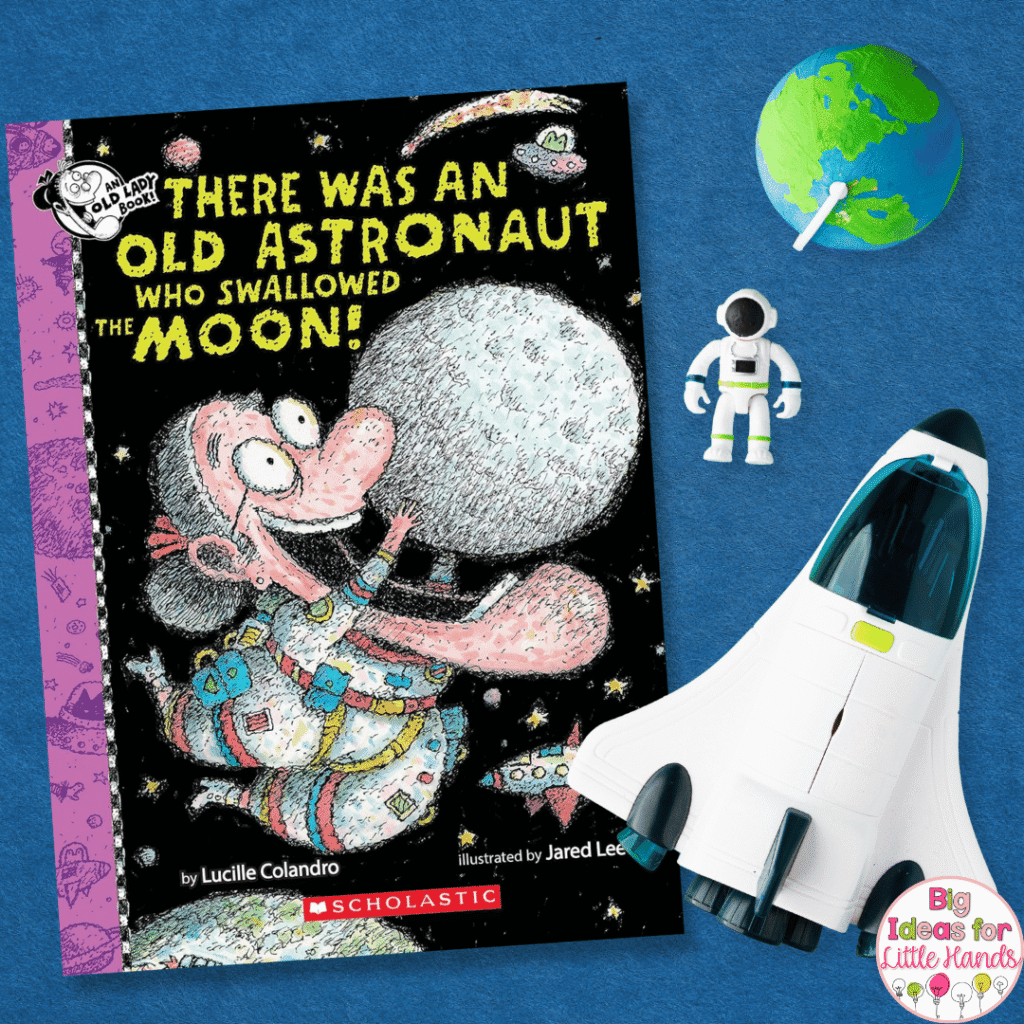
There Was an Old Astronaut Who Swallowed the Moon! by Lucille Colandro
This silly, laugh-out-loud story is always a classroom favorite. Students love predicting what the astronaut will swallow next, and the familiar repetitive text makes it perfect for encouraging participation during read aloud time. It’s a fun way to introduce space vocabulary while keeping students engaged from beginning to end.
Mousetronaut by Mark Kelly
Based on a real NASA program, this adorable story follows a tiny mouse who proves that even the smallest astronaut can make a big difference. Students love cheering for Meteor the mouse while learning about astronaut training, teamwork, and life aboard a space mission.
If You Decide to Go to the Moon by Faith McNulty
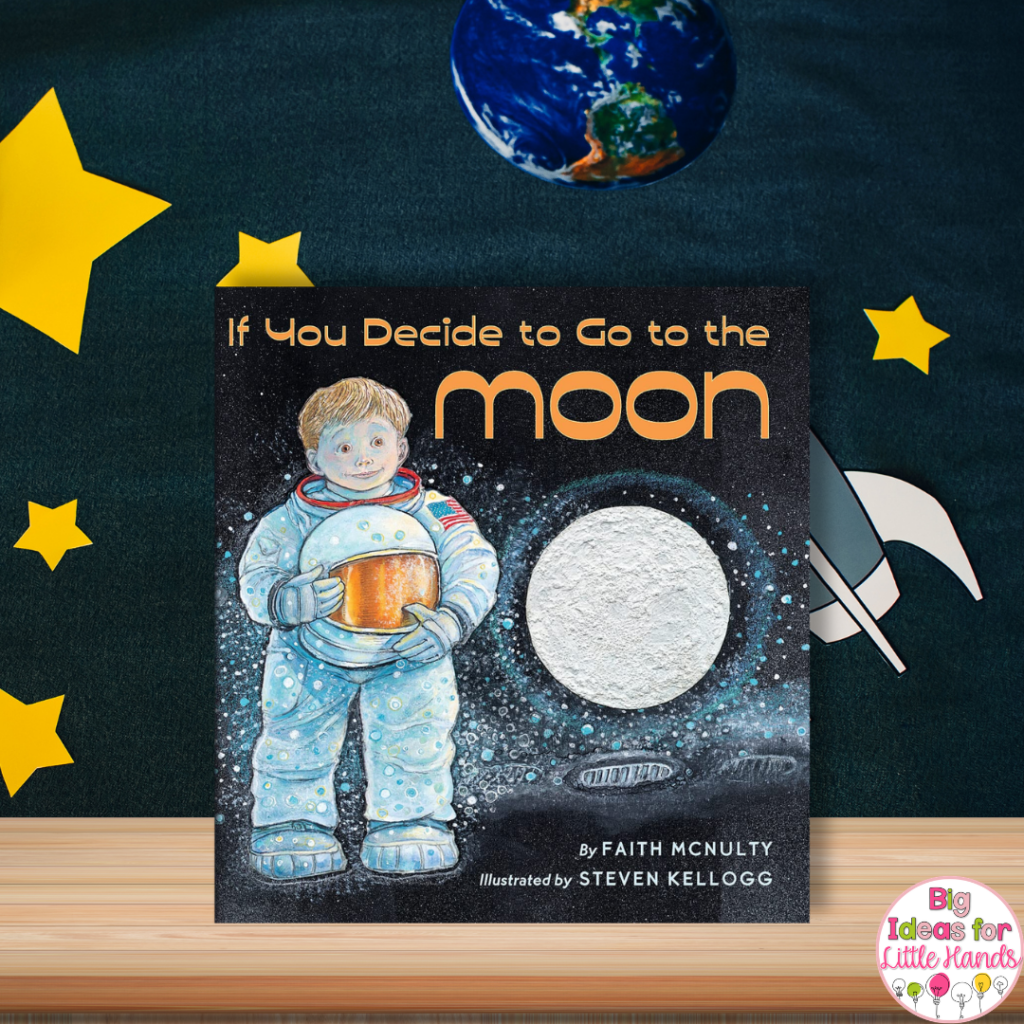
This beautifully written nonfiction picture book takes students on an imaginary trip to the moon while introducing real facts about space travel, gravity, and the moon’s surface. It combines science with storytelling and naturally leads into discussions about what astronauts experience in space.
National Geographic Little Kids First Big Book of Space by Catherine D. Hughes
If you’re looking for an engaging nonfiction book packed with real photographs, this is an excellent choice. The colorful pages introduce young learners to the planets, stars, astronauts, rockets, and our solar system using simple, kid-friendly language. It’s a wonderful resource for building background knowledge before beginning hands-on space activities and gives students plenty of opportunities to ask questions and make observations.
The Planets by Gail Gibbons
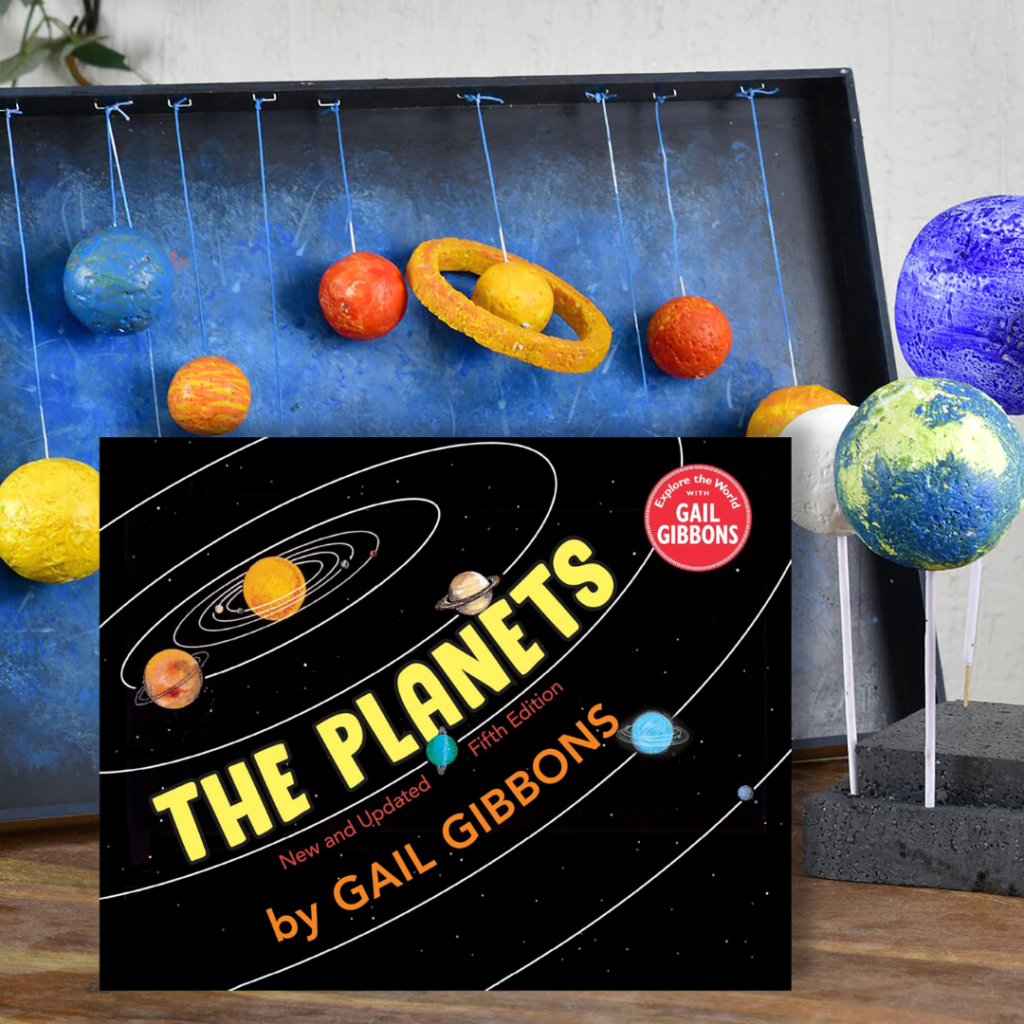
Gail Gibbons is known for creating nonfiction books that make complex science concepts easy for young learners to understand, and The Planets is no exception. This beautifully illustrated book introduces each planet in our solar system with fascinating facts about size, temperature, and unique features. It’s a great read aloud for helping students compare the planets and naturally leads into activities like sorting the inner and outer planets or creating a planet order book.
There’s No Place Like Space! by Tish Rabe
Part of the beloved Cat in the Hat’s Learning Library series, this book combines playful rhymes with accurate science facts about the solar system. Students enjoy traveling from planet to planet with the Cat in the Hat while learning interesting facts in an age-appropriate way. It’s an engaging choice for introducing younger students to the planets before diving into hands-on projects and space investigations.
Engaging Space Learning Activities
After reading some books, it’s time to dive into hands-on learning activities that everyone will love!
Taste Astronaut Food
One of the biggest questions students always ask is, “What do astronauts eat?”
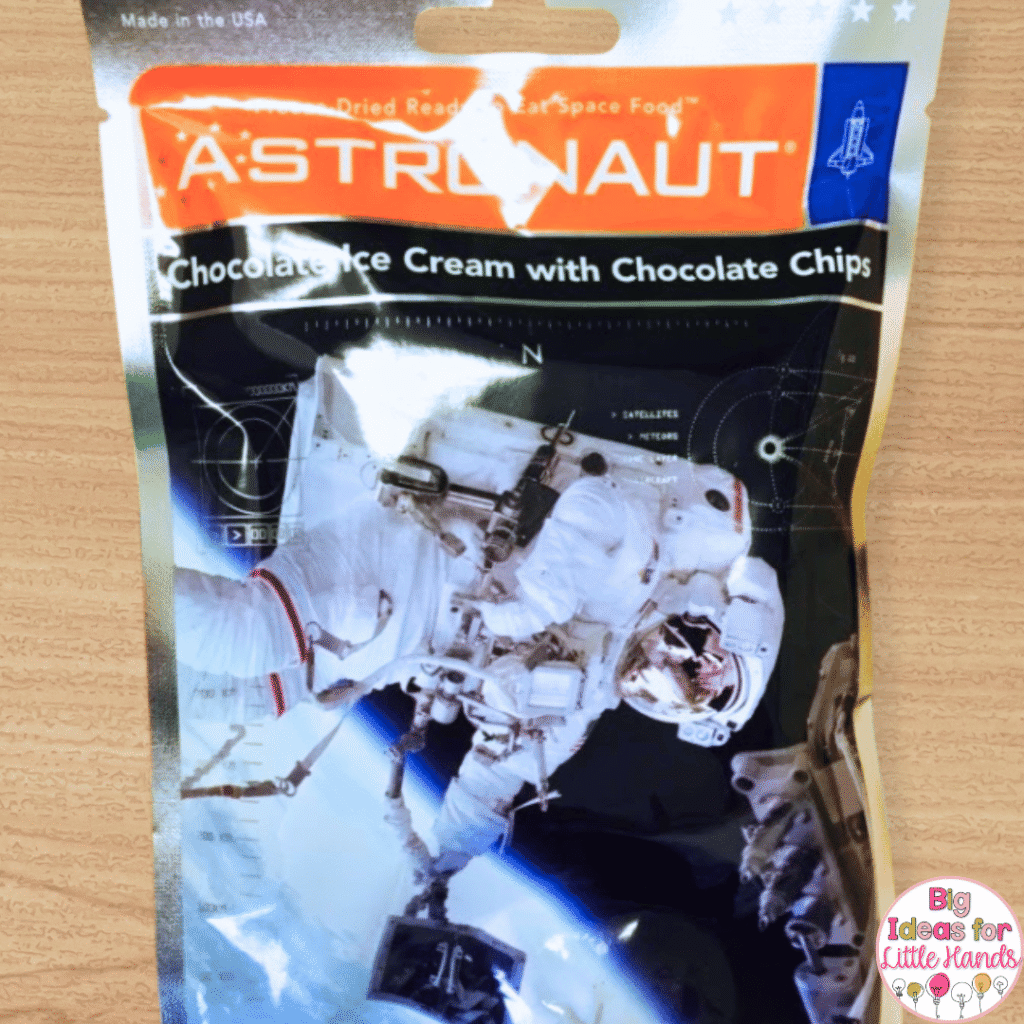
After learning about life in space from our books, we talked about how astronauts prepare and eat food in space. Then came the best part. . . taste testing astronaut ice cream! My students were definitely skeptical at first. They carefully examined it, took tiny bites, and weren’t quite sure what to expect. But as soon as it started melting in their mouths, they couldn’t stop eating it!
Some of their favorite comments included:
- “It melts in your mouth!”
- “It tastes like chocolate pudding!”
- “It’s crunchy and soft at the same time!”
This simple activity makes learning about astronauts feel incredibly real and is always one of the highlights of our space unit.
Explore the Planets with Hands-On Movement
Teaching about the solar system becomes much more meaningful when students can actually see the enormous distances between the planets.
Instead of simply looking at a poster, we measured the distance from the sun to each planet using our shoes! Students counted how many “shoe lengths” away each planet would be, giving them a visual way to understand just how spread out our solar system really is.
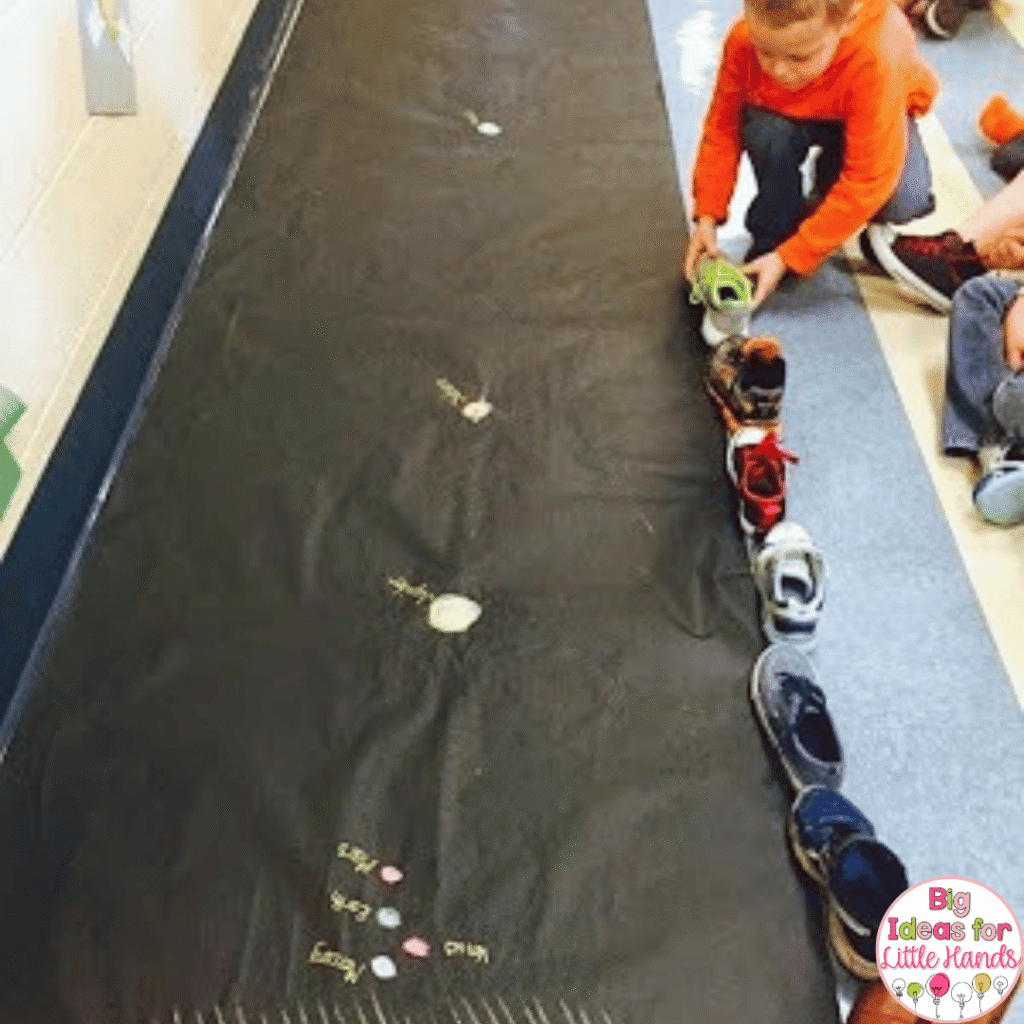
Of course, learning is always more fun when everyone’s shoes come off!
Afterward, we talked about gravity on the moon. We learned that because the moon has much less gravity than Earth, astronauts can take giant bouncing steps. One of our books explained that an astronaut’s step could stretch close to 30 feet on the moon.
Naturally, everyone wanted to try. We measured out 30 feet with painter’s tape across the classroom floor and challenged students to see if they could make one giant “moon step.” They quickly discovered that even their biggest jumps only covered about six feet! It took several giant jumps to travel the full distance, helping students understand just how different gravity would feel on the moon.
These movement activities are simple, memorable, and a great way to get students up and learning.
Create Moon Craters
The moon’s surface is covered with craters, which always leads to lots of great questions from curious students.
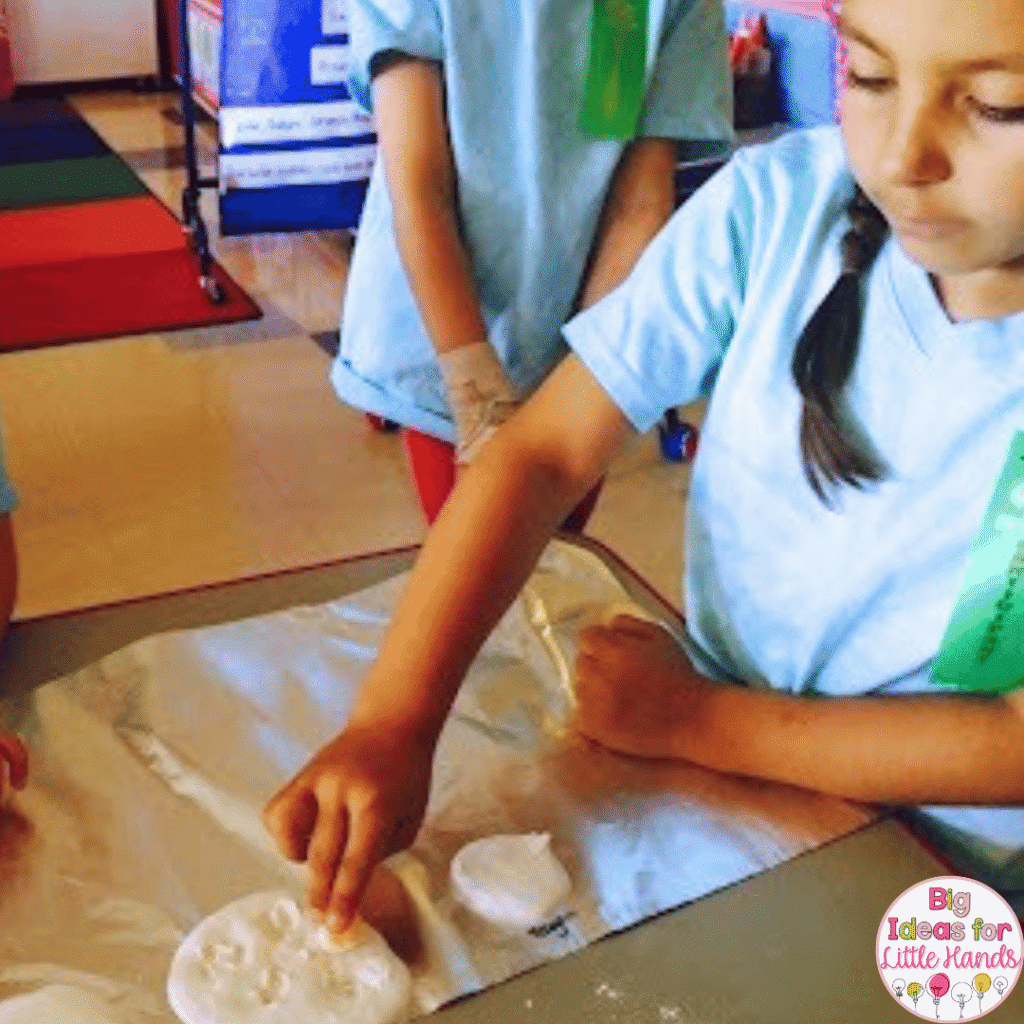
One fun way to explore this concept is by creating simple moon models. We made our own miniature moons using Plaster of Paris and talked about how craters form when meteoroids crash into the moon’s surface.
If you’d rather skip the plaster, another easy option is to spread flour in a shallow tray and drop different-sized rocks or marbles into it. Students can observe how the size and speed of the object changes the crater it creates.
This simple investigation gives students a hands-on way to visualize something they usually only see in pictures.
Celebrate Your Space Unit with a Moon-Themed Treat
Every great classroom unit deserves a fun ending!
We wrapped up our study by enjoying Moon Pies while reviewing everything we had learned about astronauts, planets, and the moon.
Students loved making connections between the books we’d read and the science concepts we’d explored throughout the week.
Simple themed snacks like this create lasting memories and give students something exciting to look forward to at the end of the unit.
Bring Your Space Unit Together with a Space Lapbook
Looking for an easy way to recap and review what your students learn throughout the week?
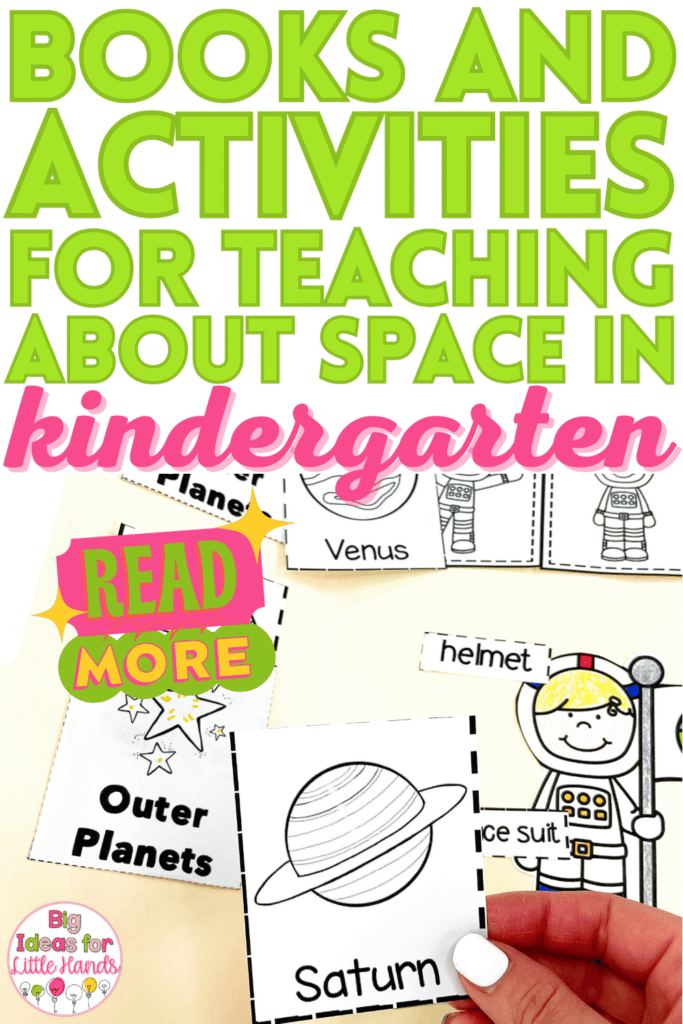
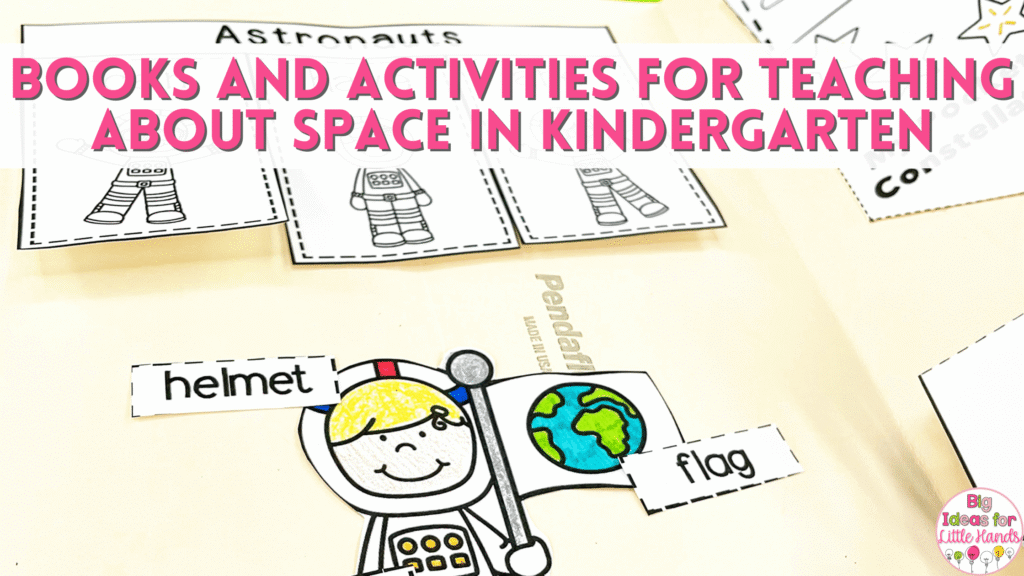
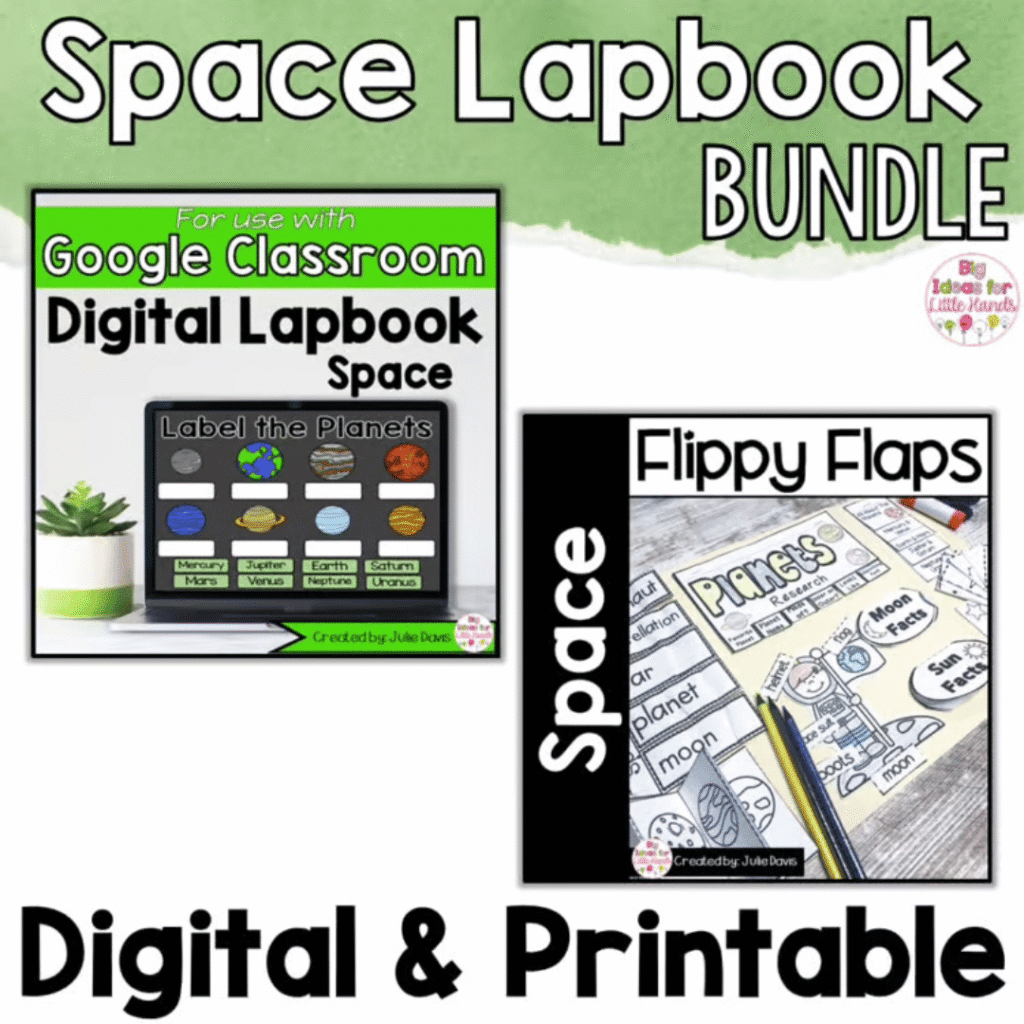
My Printable and Digital Space Lapbook gives students an engaging way to organize, practice, and apply their new knowledge while creating a keepsake to remember everything they learned!
Available in both printable and digital Google Slides™ formats, this resource works perfectly for whole group instruction, independent work, science centers, early finishers, or end-of-unit review.
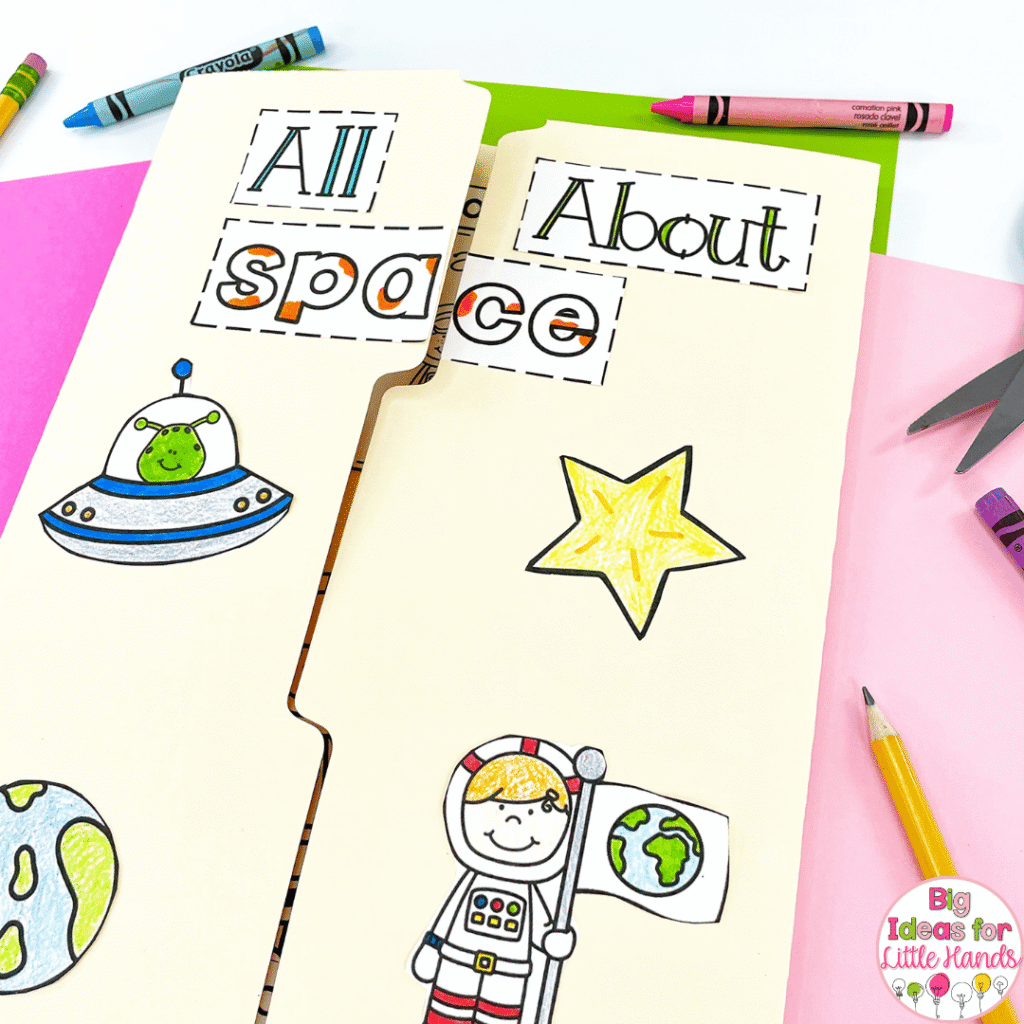
Students will explore topics like:
- Planet research
- Planet order
- Inner and outer planets
- Phases of the moon
- The sun and the moon
- Space vocabulary
- Astronauts
- Constellations
- Labeling space diagrams
- KWL charts
- Compare and contrast activities
- Space writing prompts
- Interactive sorting activities
- Favorite space book response
- Digital activities and videos
- And much more!
Whether you’re teaching in the classroom, assigning activities through Google Classroom, or sending meaningful work home, this resource makes it easy to reinforce key science concepts while keeping students actively engaged.
How to Use the Lapbook with Your Space Activities
One of my favorite ways to use the Space Lapbook is to build it throughout the week instead of saving it until the end of the unit. After each read aloud or hands-on activity, have students complete one or two sections that connect to what they just learned.
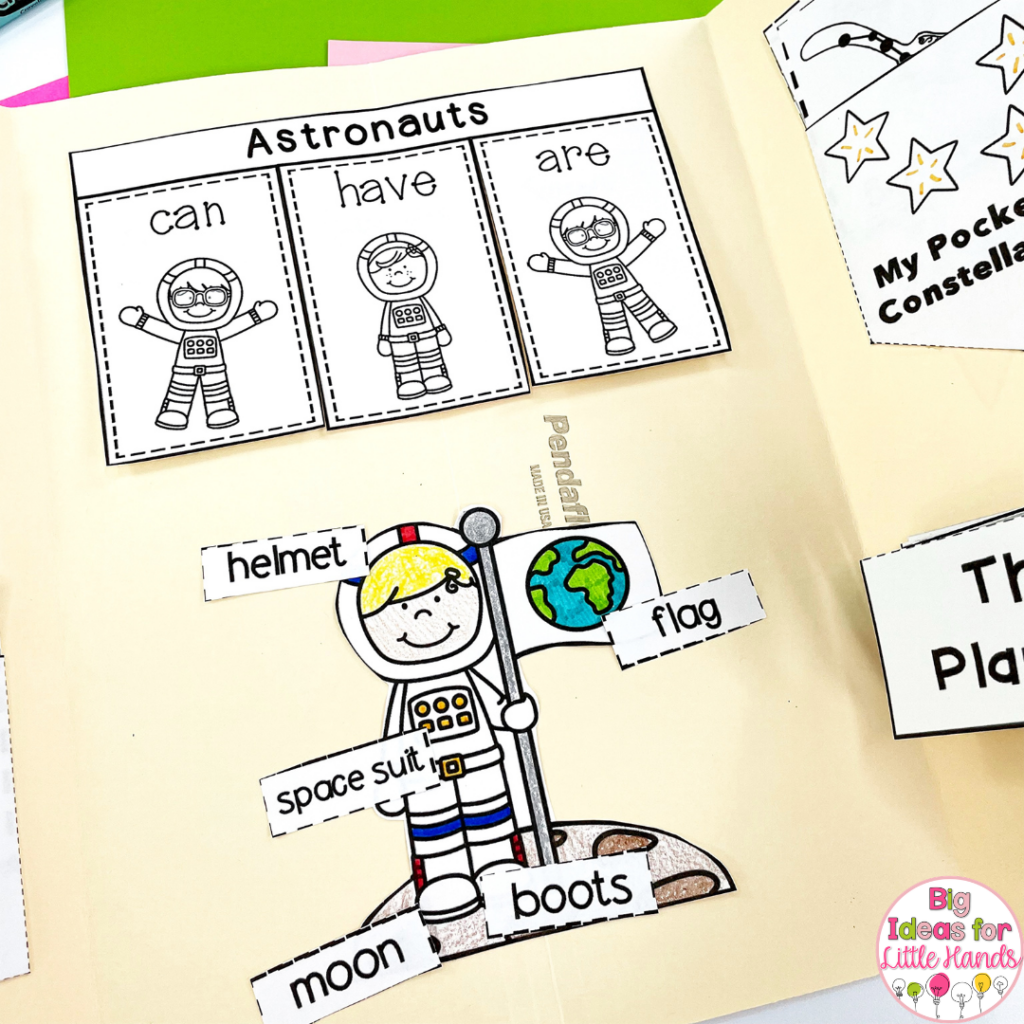
For example, after reading a book about astronauts, students can complete the Astronauts can/have/are page or label an astronaut. After learning about the planets, they can work on the Planet Order Book, Inner and Outer Planet Sort, or begin their Planet Research section.
Following your moon activities, students can complete the Phases of the Moon, Moon Facts, or compare the Moon and Earth.
By adding just a few pieces each day, students are continually reviewing new vocabulary and science concepts while creating a meaningful keepsake of everything they’ve learned. Best of all, by the end of your space unit, each student will have a completed lapbook they can proudly take home and use to share their learning with their families!
This Space Lapbook is the perfect way to weave your hands-on learning activities, space books, and space lessons together into one meaningful unit.
Make Your Space Unit One They’ll Never Forget
A successful space unit isn’t about squeezing in dozens of activities. It’s about choosing experiences that help students wonder, explore, and make connections.
When students can hear stories about astronauts, taste freeze-dried ice cream, measure the planets, jump like they’re on the moon, create moon craters, and reflect on everything they’ve learned, science becomes something they’ll remember long after the unit is over.
If you’re looking for a simple way to pull your entire unit together, my Printable and Digital Space Lapbook is the perfect companion. It combines science, literacy, writing, and vocabulary practice into one interactive resource that students love creating and teachers love using.
Whether you use it throughout your unit or as a culminating project, it provides meaningful review while giving students a keepsake they can proudly share with their families. It’s an easy, engaging way to make your space unit both memorable and educational from beginning to end.
Looking for More?
Check out these posts next for more thematic teaching ideas your students will love!
- 5 Fun Insect Activities for Primary Students
- Community Helper Activities Your Students Will Love!
- 3 Fun and Engaging Weather Lapbook Activities
Save This Post
Make sure to pin this post on Pinterest so that you can easily find these space books and activities when you’re ready to plan your unit!