When you hear the words assessment and kindergarten together, you might picture a clipboard, a checklist, and a student sitting one-on-one while you work your way through a long list of skills. And sometimes, that kind of assessment is necessary. But it certainly doesn’t have to be the only way you figure out what your students know. Informal assessment has a place too! In fact, some of the most useful information you gather about your kindergarten students can happen right in the middle of the activities you’re already doing.
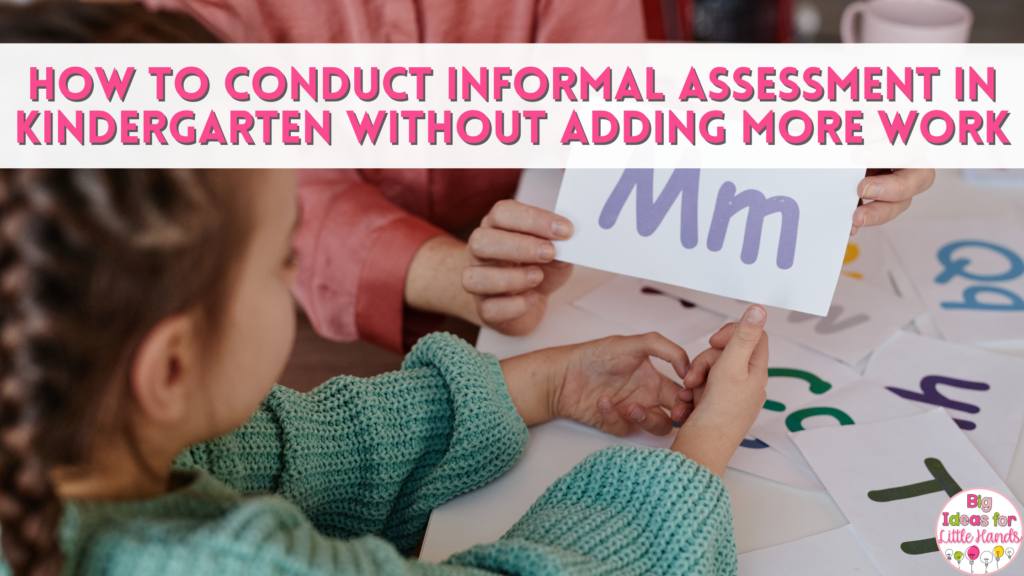
A student names a letter correctly during a game. Another student hesitates every time they see a lowercase letter. One child can identify the beginning sound in a word but struggles to blend sounds. Those little moments give you valuable information about what your students understand, what they’re still working on, and who might need some extra support.
That’s the beauty of informal assessment in kindergarten. You don’t always need to stop instruction and give a formal test. You can build quick assessment opportunities into small groups, centers, games, partner activities, and everyday classroom routines. And when you turn those assessment opportunities into games, your students may not even realize they’re being assessed. What could be better than that?!
What Is Informal Assessment in Kindergarten?
Informal assessment is simply the process of gathering information about what students know and can do without relying on a formal test. For kindergarten teachers, this can happen throughout the entire school day.
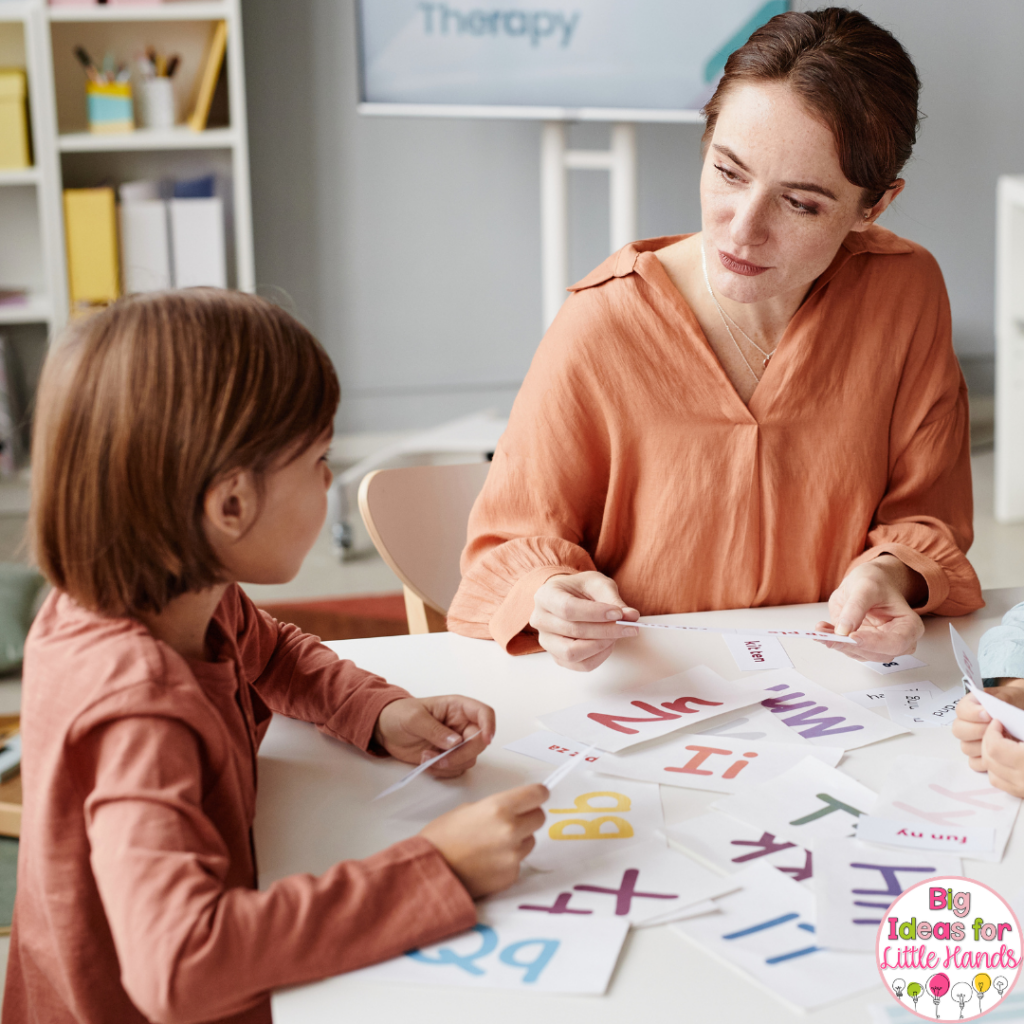
You might ask a student to identify a letter during a morning activity. You might listen as students practice beginning sounds during a small group lesson. You might watch a child solve a math problem during a center or listen to a student retell a story after reading.
You’re gathering information as you teach. The goal isn’t always to give every student a score. The goal is to learn more about your students so you can make better instructional decisions.
Maybe you notice that one student quickly identifies uppercase letters but still struggles with lowercase letters. Another student might know most letter sounds but have difficulty blending sounds.
Those observations matter and help you decide what to review, who needs additional practice, and which students are ready to move on.
Why Is Informal Assessment Important in Kindergarten?
Kindergarten students are learning so many new skills at once. They’re learning letters and sounds, early reading skills, numbers, counting, writing, shapes, classroom routines, social skills, and so much more.
You can’t always wait until the end of a unit to find out whether your students understand something. By then, you may have already moved on to the next skill.
Informal assessment gives you opportunities to check understanding while you’re teaching.
It Helps You Catch Struggles Early
A student might participate successfully during a whole-group lesson but struggle when asked to complete a task independently. Another student might be quiet during lessons but demonstrate strong understanding during a game.
Quick informal assessments give you more opportunities to see what individual students can actually do. This is especially helpful in kindergarten because students don’t always show what they know in the same way.
It Helps You Plan Small Groups
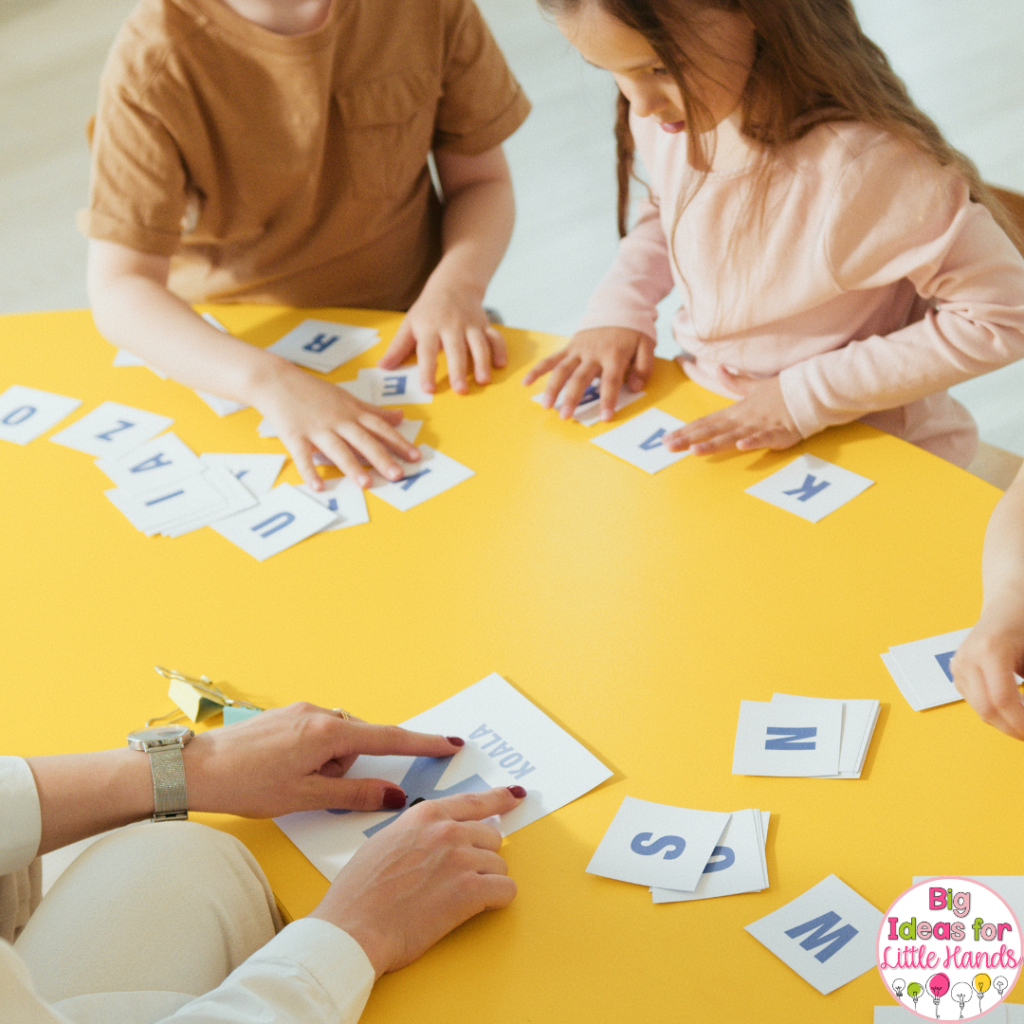
Informal assessment can also help you decide which students need to work together.
For example, you might discover that several students need additional practice identifying lowercase letters while another group is ready to move on to beginning sounds.
Instead of giving everyone the same activity, you can use the information you’ve gathered to create more targeted small groups. That can make your small group time much more productive.
It Helps You Know When to Reteach
Sometimes you think your students have mastered a skill because they were successful during a lesson. Then you try the skill again a few days later and realize they need more practice. That’s completely normal.
Informal assessment helps you catch those gaps before they become bigger problems. It gives you a chance to slow down, review the skill, and provide additional practice before moving forward.
It Gives Students More Ways to Show What They Know
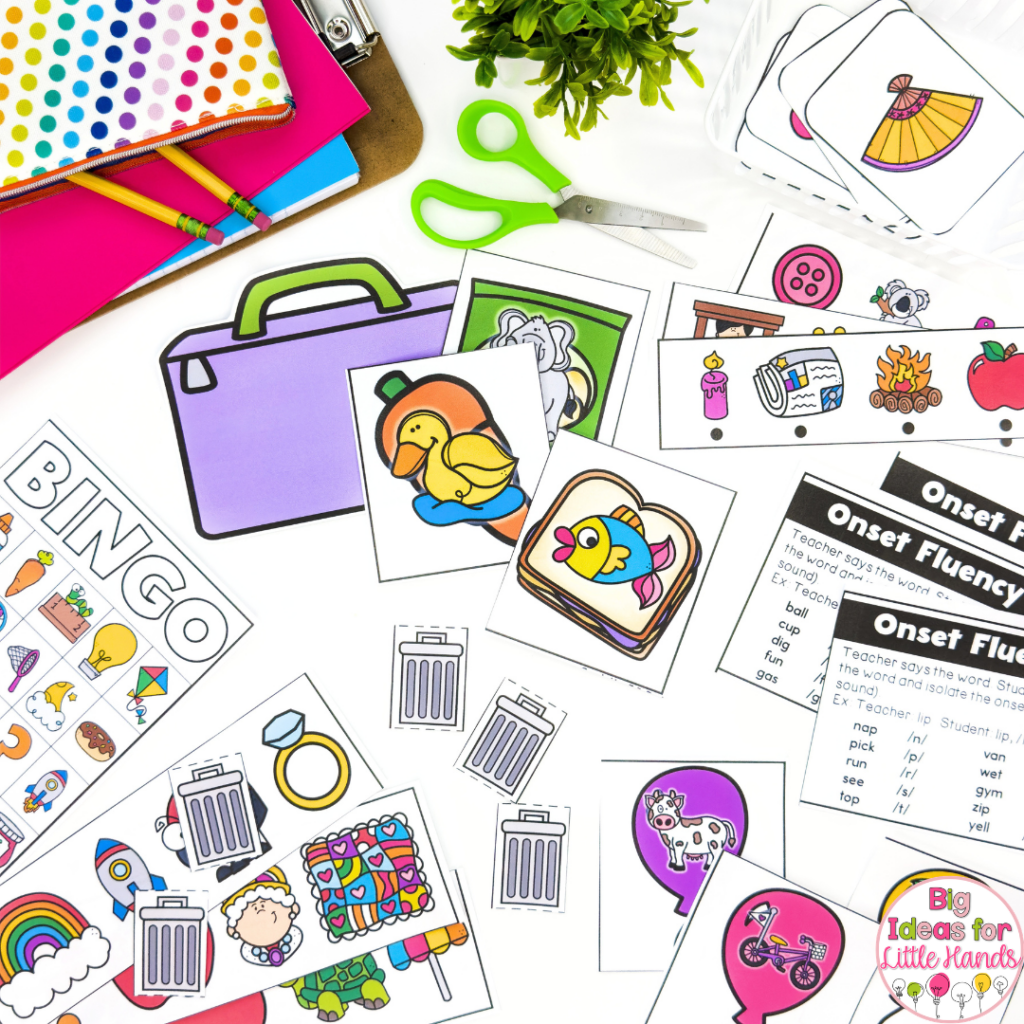
Not every kindergarten student shines during a traditional assessment. Some students get nervous. Some need movement. Some need repetition. Some demonstrate what they know much better when they’re actively doing something.
Games and hands-on activities give students another way to demonstrate their skills. That’s one reason I love using games as part of informal assessment. The student gets to play and practice while the teacher gets to watch, listen, and gather information. It’s a win-win!
What Can You Assess Informally in Kindergarten?
You can use informal assessment across almost every area of your kindergarten curriculum.
In literacy, you might informally assess letter identification, uppercase and lowercase recognition, letter sounds, rhyming, beginning sounds, ending sounds, middle sounds, blending, segmenting, and phoneme manipulation.
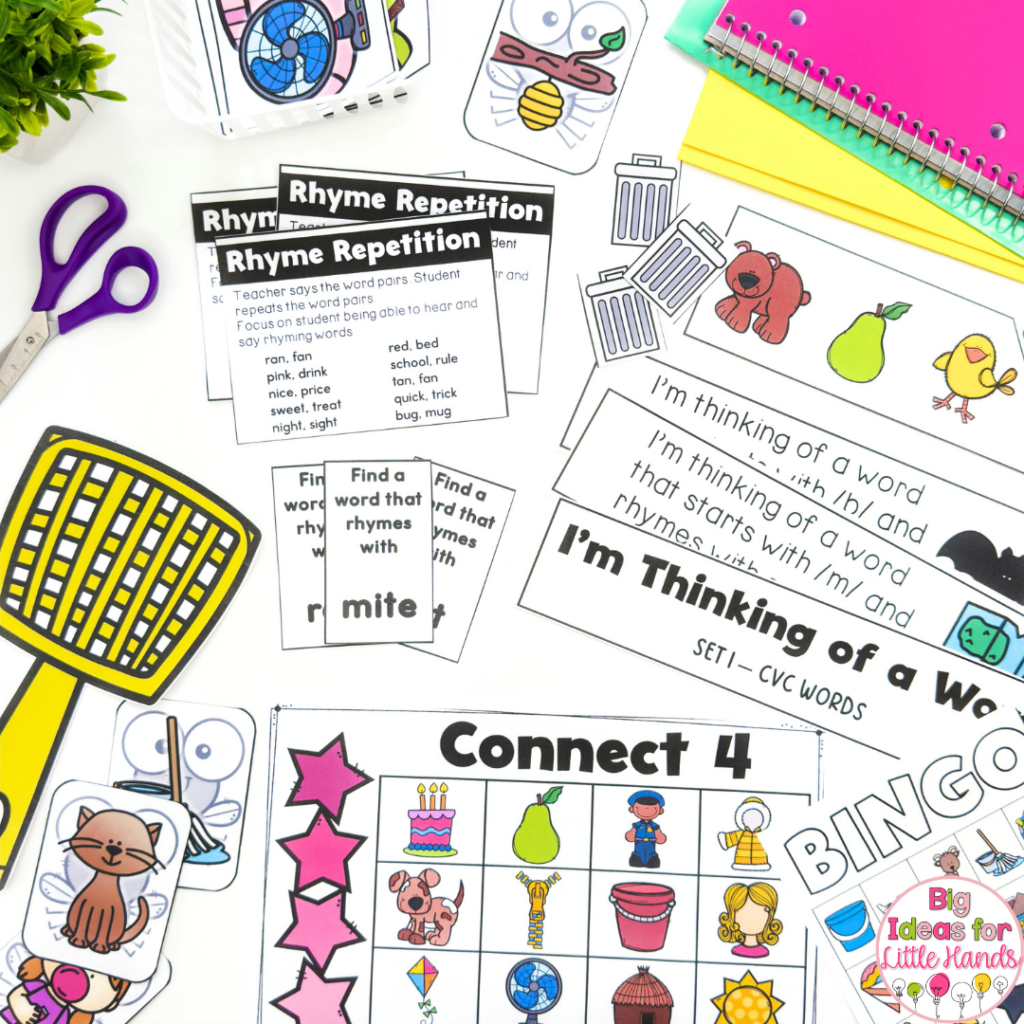
You can also use informal assessment to check early reading skills, high-frequency words, concepts of print, and comprehension.
Math is another great area for informal assessment. You might listen as students count, watch them identify numbers, observe how they compare quantities, or ask them to explain how they solved a problem.
Writing skills can be assessed informally, too. As students work, you can observe letter formation, name writing, sound-to-letter connections, drawing and labeling, and early sentence writing.
And don’t forget that observation itself is an assessment tool. Sometimes what you notice while students are working tells you just as much as what they put on a worksheet.
Why Games Work So Well for Informal Assessment
Games are my all-time favorite way to structure informal assessment. They give students repeated opportunities to practice a skill without making the activity feel like a test.
Instead of asking a student to identify ten letters while sitting at a table, you might incorporate those same letters into a game. Instead of giving students a page of rhyming words, you can have them play a game where they listen for rhyming pairs. The skill is still being practiced, but the experience feels much more natural.
Games are also helpful because they allow you to hear multiple responses in a short amount of time. When you’re working with a small group, you can listen to each student as they take a turn. You can notice which answers come quickly, which ones require a prompt, and which skills seem to cause confusion.
You don’t need to stop the game every time you notice a mistake. Simply take note of what you’re seeing and use that information later when you’re planning instruction.
How to Use Games for Quick Informal Assessment
The next time you’re playing a small group game, try looking at the activity through an assessment lens.
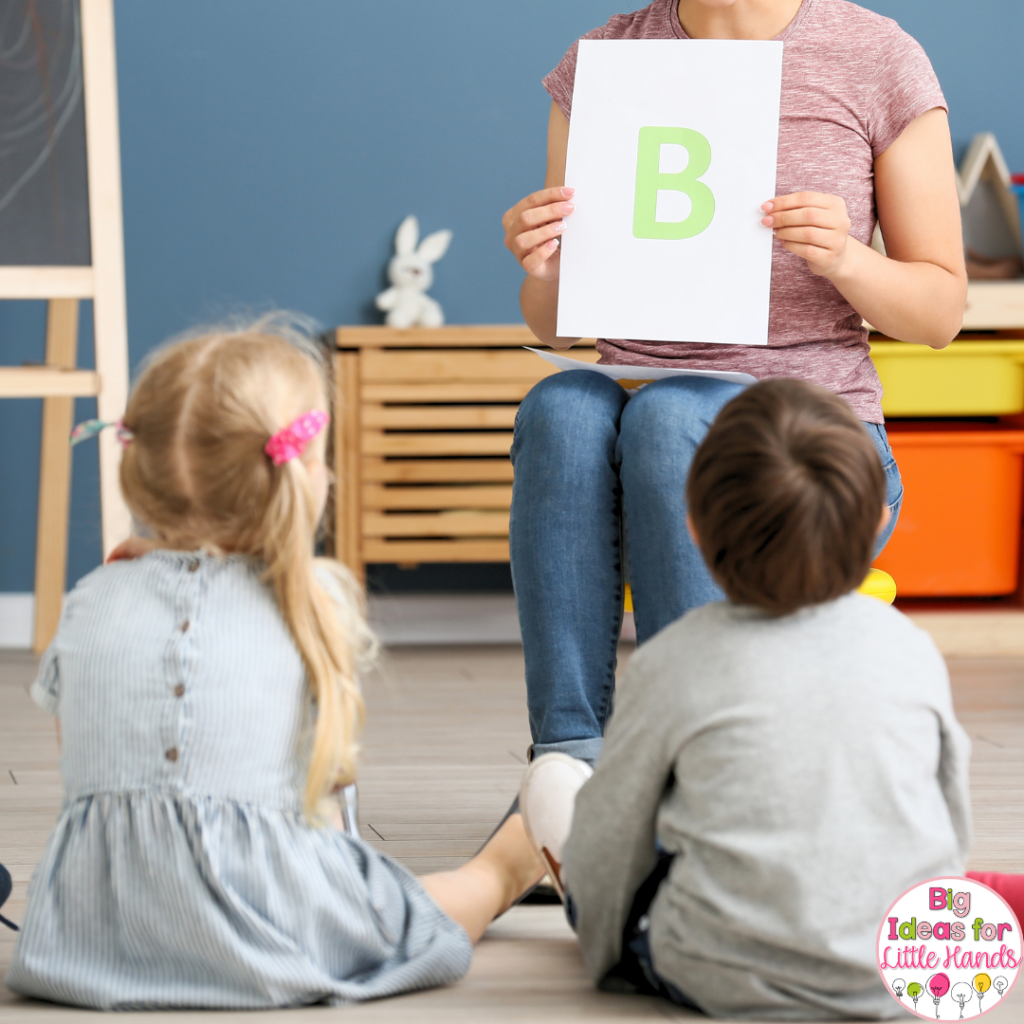
Instead of only asking yourself, “Are my students having fun?” ask yourself, “What am I learning about my students while they’re playing?”
Listen to individual responses. Pay attention to students who answer quickly and confidently, but also notice students who hesitate or look to a friend for help. Look for patterns rather than focusing on one incorrect answer.
If a student misses one letter but correctly identifies almost every other letter, you probably don’t need to reteach the entire alphabet. If that same student consistently struggles with several lowercase letters, however, that’s important information.
You can also use the same game again later. A game doesn’t have to be a one-time activity. In fact, using familiar games throughout the year can be an easy way to monitor progress. Students become comfortable with the directions, which allows you to focus more closely on the skill you’re assessing.
3 Letter Identification Games You Can Use for Informal Assessment
Let’s look at a real example. Suppose you’re working on letter identification and want to quickly figure out which students have mastered uppercase and lowercase letters and which students need additional practice.
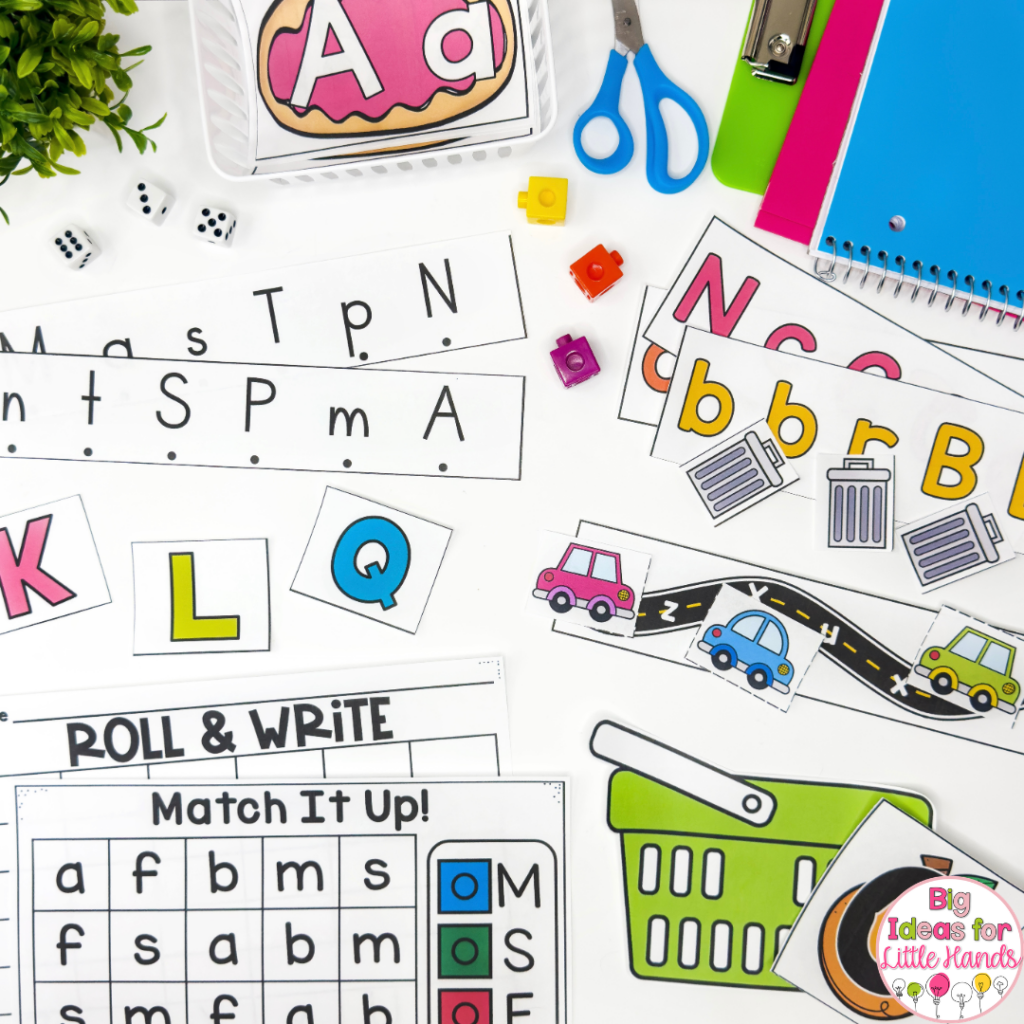
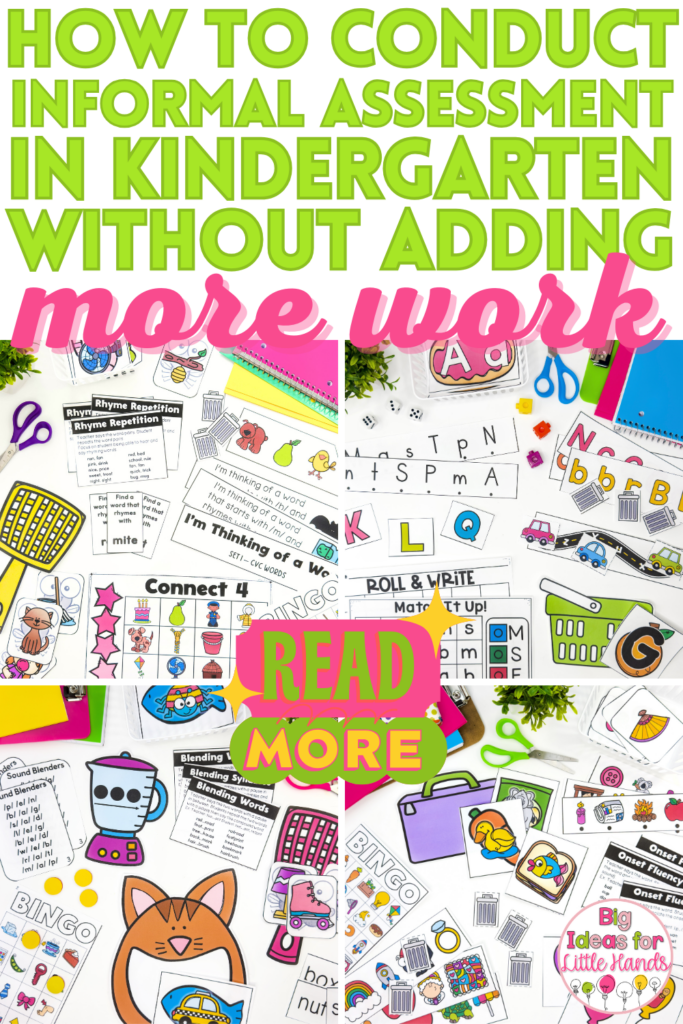
You could pull a small group and use a few simple games to practice the skill while you observe what each student can do. This is exactly the kind of work I had in mind when creating my Phonemic Awareness Small Group Games.
The bundle includes games that can be used for small groups, small group warm-ups, centers, whole group lessons, substitute plans, and even activities with classroom volunteers.
Here are three games from the bundle that work especially well when you’re looking at informal assessment for letter identification.
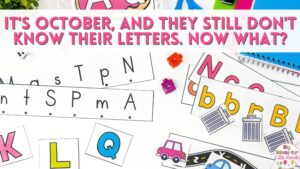
Alphabet Trash It
In Alphabet Trash It, students pick a letter strip and look for the letter that doesn’t belong. Once they find it, they “trash it” by placing a trash can over the letter.
It’s a simple activity, but it gives you a great opportunity to listen as students identify letters. You might notice that a student quickly identifies most of the letters but consistently hesitates when they see a particular letter. You might also discover that a student is comfortable with uppercase letters but needs more practice with lowercase letters.
Those observations can help you decide what to work on next!
Alphabet Road Races
Alphabet Road Races adds a little movement to letter identification practice. Students get a road and a car. As they drive the car along the road, they name each letter that the car drives past.
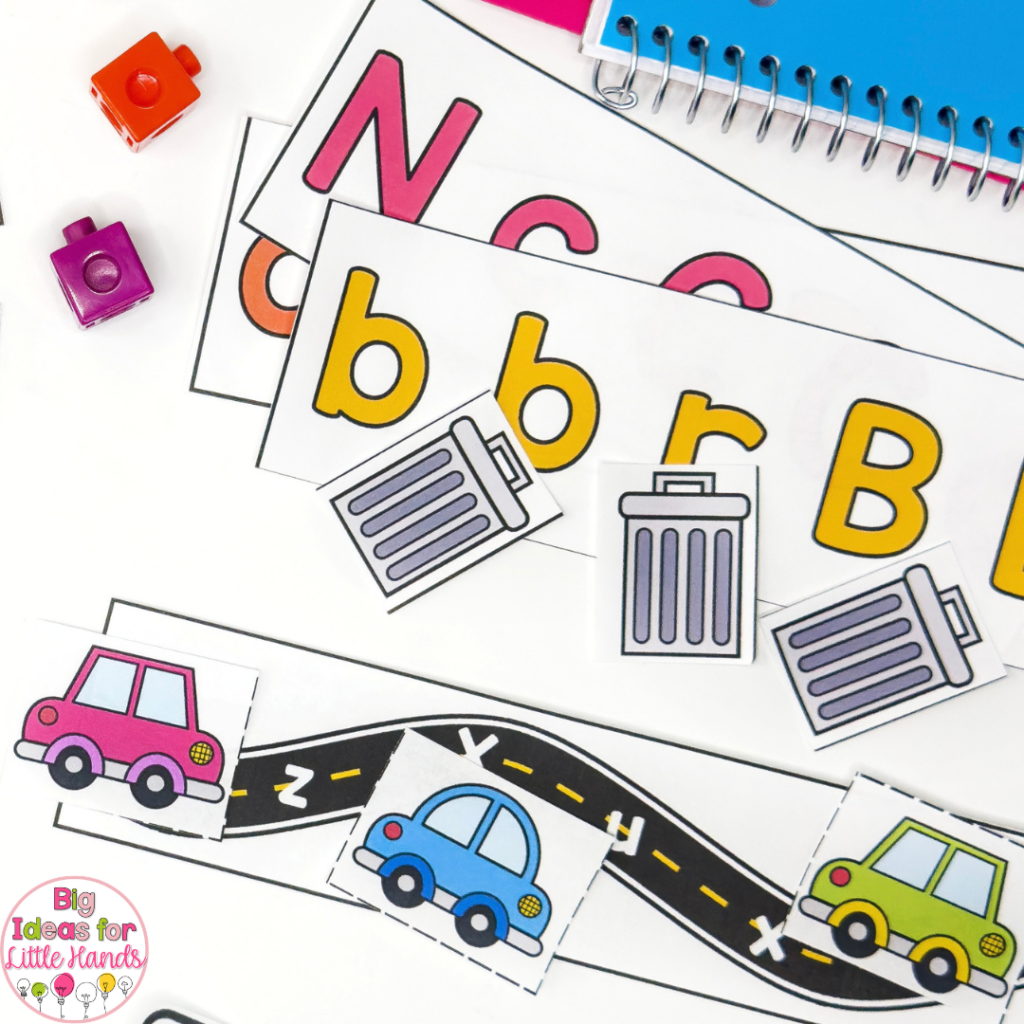
There are uppercase, lowercase, and mixed options, so you can choose the version that best matches what you’re currently teaching.
This makes the game especially useful for informal assessment because you can adjust the level of practice based on what you’re seeing. For example, maybe your students are doing well with uppercase letters, but you’re not quite ready to move on from lowercase letter identification. You can use the lowercase version with your small group and listen to see which letters still cause hesitation.
You can also use the mixed version when you’re ready to see whether students can recognize letters regardless of how they’re presented.
Alphabet Match and Cover
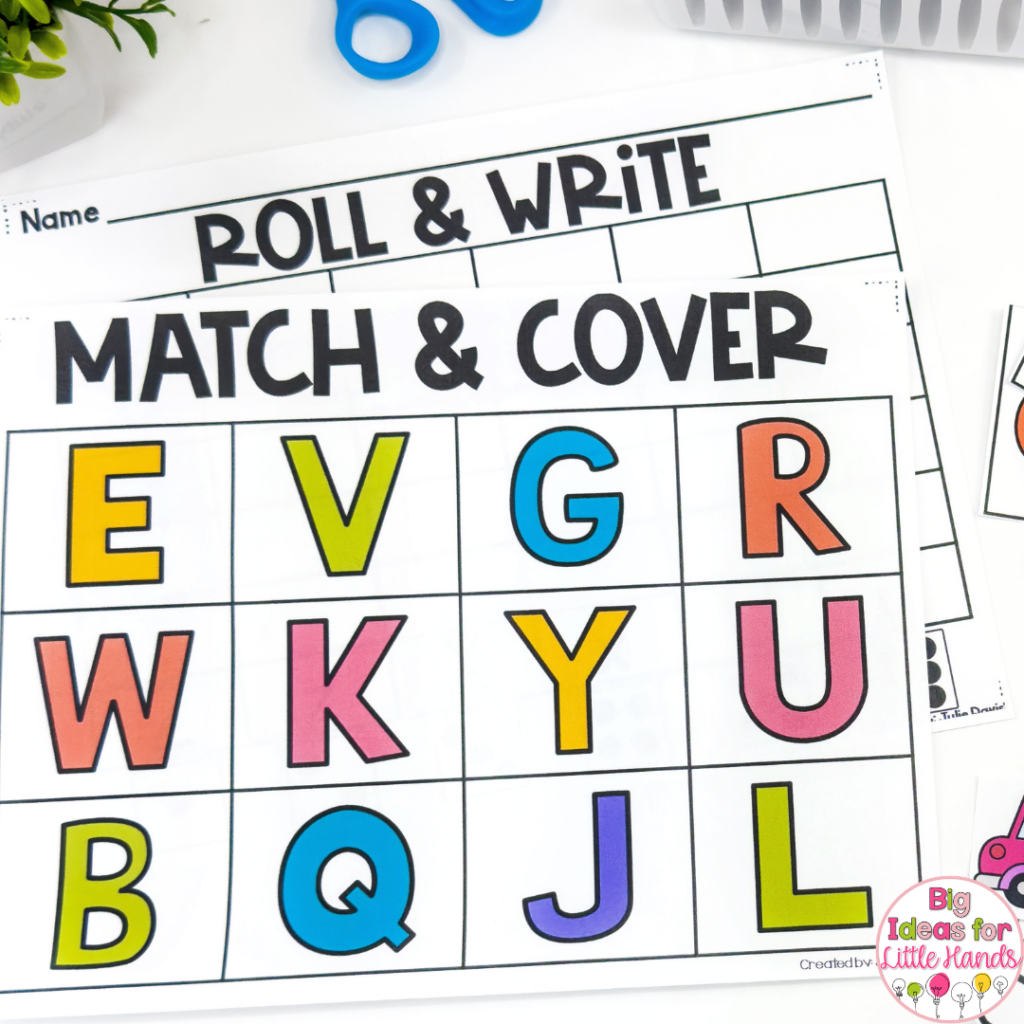
Alphabet Match and Cover gives students a game board and a set of cards. Students draw a card and cover the matching letter on their board. There are options for uppercase-to-uppercase matching, lowercase-to-lowercase matching, and mixed practice.
This game can give you another useful piece of information because you’re able to see how students handle letters in different formats.
For example, a student might easily match uppercase letters to uppercase letters but struggle when asked to connect an uppercase letter with its lowercase partner. That’s a very specific skill you can then target during future practice.
Turn Your Assessment Results Into Your Next Activity
One of my favorite things about using games for informal assessment is that the assessment can lead directly into your next instructional step. You don’t have to give an assessment, sort through the results, and then spend another afternoon figuring out what activity to use.
Your game can help you identify the students who need more practice, and then you can use that information to plan your next small group.
All of these activities also include follow-up worksheets for continued practice. So, if you notice that a student needs a little extra practice after playing the game, you have another activity ready to go.
For example, you might notice during Alphabet Road Races that one student is still struggling to identify several lowercase letters. Later that day, you can provide that student with the corresponding follow-up practice during independent work or another small group. Now your informal assessment has helped you make an actual instructional decision. And that’s the goal!
Games Can Assess More Than Letter Identification
Letter identification is just one example of how games can be used for informal assessment. You can use the same approach with phonemic awareness skills, too.
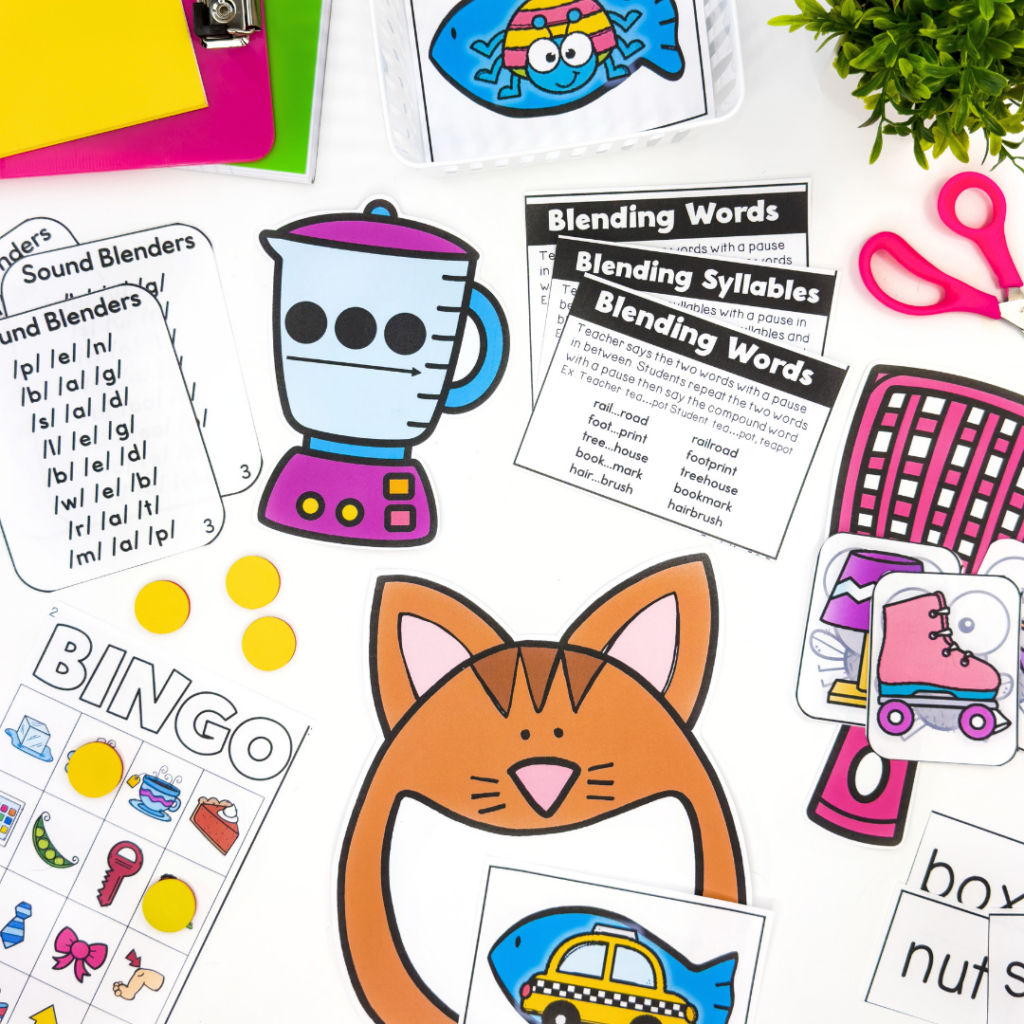
During a rhyming game, you can listen to see whether students can identify rhyming pairs. During an initial sounds activity, you can listen to see whether students can identify the first sound in a word. When using a blending activity, you can listen to see whether students can put individual sounds together to make a word. And with a segmenting game, you can listen to see whether students can break a word into individual sounds.
The game gives students a reason to practice while giving you an opportunity to observe. Because you’re hearing students respond multiple times, you can get a much better sense of whether a skill is becoming automatic or whether they still need support.
Make Informal Assessment Part of Your Everyday Routine
Informal assessment doesn’t have to mean adding another task to your already-full teacher to-do list. Instead, look for opportunities to assess the skills you’re already teaching.
- Use a game during your morning warm-up.
- Pull a small group during literacy centers.
- Listen during partner work.
- Ask a quick question during your lesson.
- Watch students as they work independently.
- Take a few quick notes when you notice something important.
Those little moments can give you a surprisingly clear picture of what your students know. And, when students are busy driving little cars, covering game boards, matching letters, or even “trashing” letters, assessment can feel much less intimidating for everyone!
Want to Try a Free Game?
If you’re looking for a simple way to try this approach in your own classroom, I’ve got a free rhyming game you can use for informal assessment!
It’s an easy way to listen to your students’ responses, see which students are confident with rhyming words, and identify who might need a little more practice.
Enter your email below to grab the free rhyming game and give it a try!
Ready for More Phonemic Awareness Games?
If you want a ready-to-use collection of games for your kindergarten small groups, take a look at my Phonemic Awareness Small Group Games bundle.
The growing bundle includes activities for:

- letter identification
- rhyming words
- initial sounds
- blending
- segmenting
- final sounds
- middle sounds
- substituting phonemes
- adding phonemes
- deleting phonemes.
You can use the games for small groups, warm-ups, centers, whole-group lessons, substitute plans, or with classroom volunteers.
And because it’s a growing bundle, when you purchase now, you’ll get the current activities at the lower bundle price plus all future packs added to the bundle for free. The price will increase as more packs are added, so get in on this great bundle now!
Whether you’re looking for a quick warm-up, a fun way to practice a new skill, or an easy opportunity for informal assessment in kindergarten, having a collection of simple games ready to go can make your small group time so much easier.
Take a look at the Phonemic Awareness Small Group Games bundle and start turning everyday practice into meaningful assessment opportunities!
Looking for More Phonemic Awareness Practice Tips?
Check out these posts next for more phonics teaching ideas!
- Phonics Games to Practice Blending Sounds
- Hands-On Phonics Activities for the Primary Classroom
- How to Differentiate Phonics Instruction Using Small Group Games
Save These Informal Assessment Ideas!
Make sure to pin this post on Pinterest so that you can quickly and easily find it later!