If you’re using the Heggerty curriculum this year, you’ve probably found yourself asking the same question so many kindergarten teachers do: “What do my students do after the Heggerty lesson?”
Heggerty does an amazing job of building students’ phonemic awareness through quick, daily oral practice. But once those auditory drills are finished, many teachers find themselves searching for meaningful, hands-on activities that allow students to continue practicing the same skills differently. Come along to discover how my phonemic awareness games have transformed my teaching approach using the Heggerty curriculum!
You May Be Asking…
“How can I use these phonemic awareness games with the Heggerty curriculum?” That’s actually one of the questions I receive most often! Teachers want to know if my Phonemic Awareness Games work alongside Heggerty, when to use them, whether they match specific lessons, and how they fit into a daily literacy block.
Don’t worry, you’re in the right place! I’ll answer the questions I hear most often and show you exactly how I use these games to extend phonemic awareness instruction throughout the day.
Before we begin, please note that these activities are designed to complement your phonemic awareness instruction and are not affiliated with or endorsed by Heggerty.
A Hands-On Companion to Your Heggerty Lessons
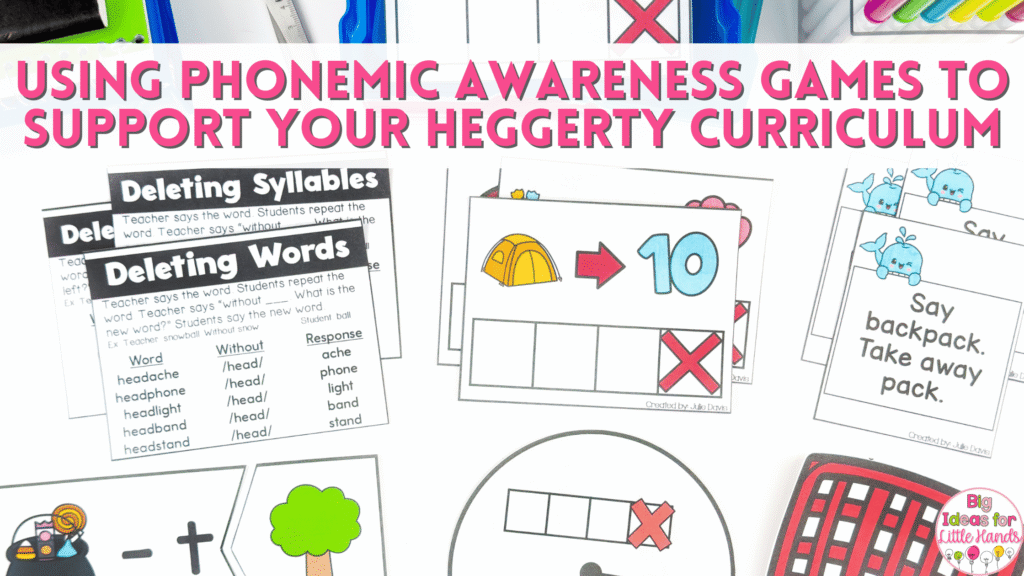
My Phonemic Awareness Small Group Games were created to give students meaningful practice after their daily phonemic awareness lesson.
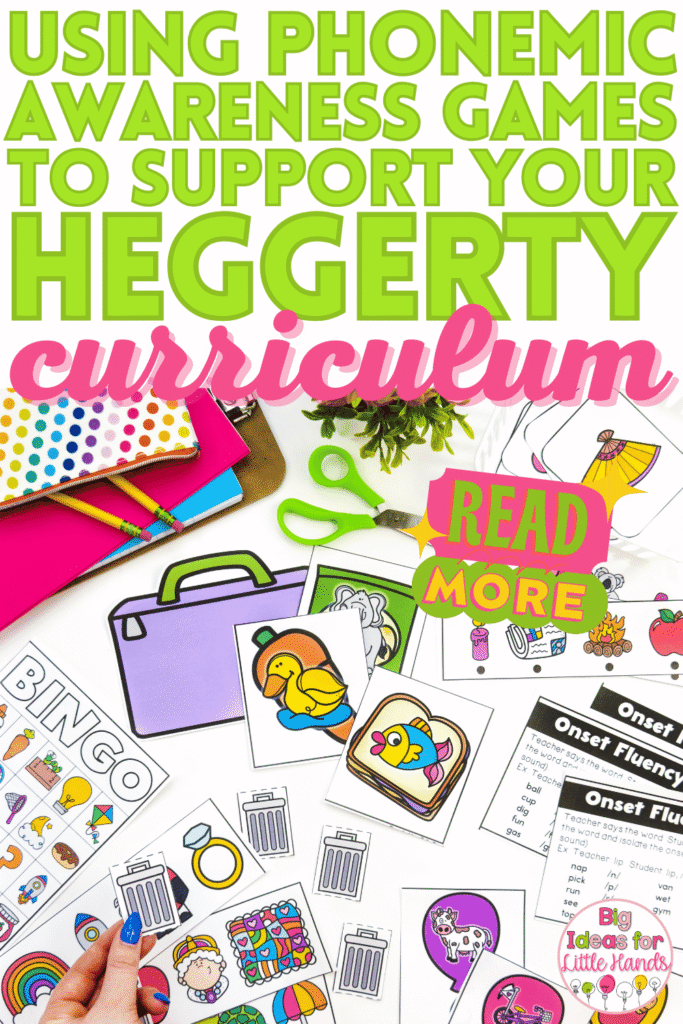
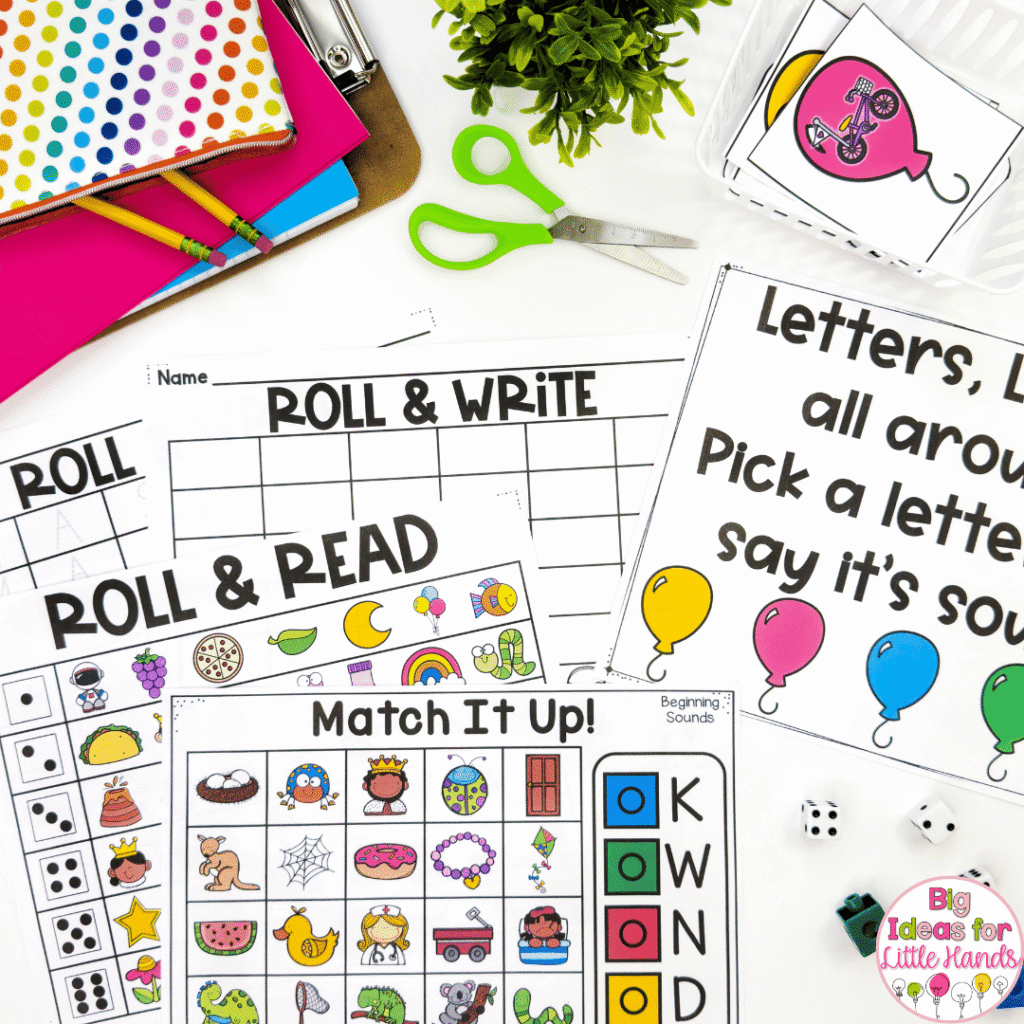
Heggerty focuses on building phonemic awareness through fast-paced, oral instruction. My games take those same skills and give students opportunities to practice them through engaging, hands-on learning. Instead of simply hearing and saying the sounds, students begin applying what they’ve learned while manipulating pictures, cards, and game pieces.
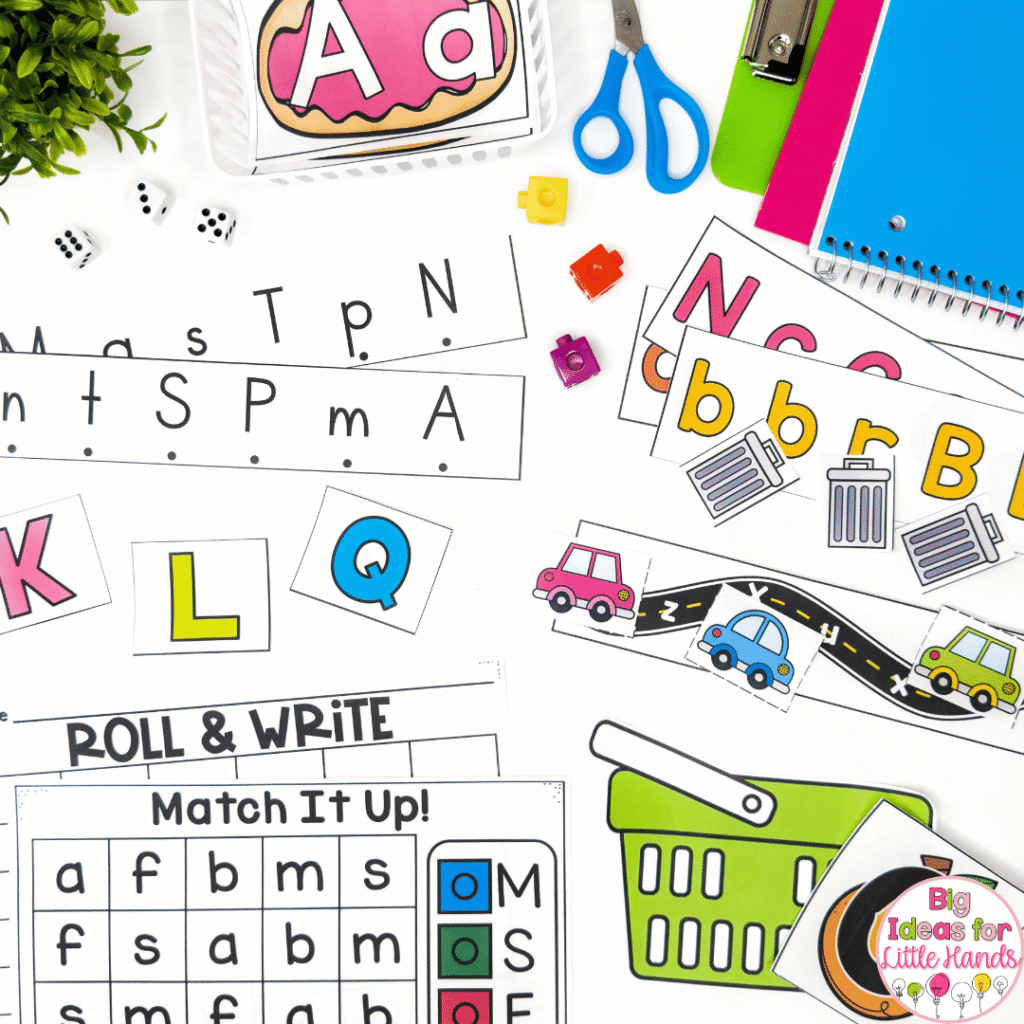
I’ve created a growing bundle that includes activities for all of the major phonemic awareness skills you’ll teach throughout the year, including:
- letter identification
- rhyming
- initial sounds
- blending
- segmenting
- final sounds
- middle sounds
- phoneme substitution
- adding phonemes
- deleting phonemes
One of my favorite things about this bundle is that it grows with you. Purchasing it now means you’ll receive future skill packs at no additional cost as they’re added, and you’ll lock in the lowest price before new activities are released.
These games are incredibly flexible. I use them during small groups, literacy centers, whole group review, intervention, and even as quick warm-up activities before guided reading. Because every activity includes simple directions, they’re also perfect for classroom volunteers and substitute teachers.
Frequently Asked Questions About Heggerty Curriculum
Q. – I’m new to kindergarten and haven’t taught using Heggerty before. How can these games help me?
If you’re brand new to Heggerty, here’s a quick overview!
Each week is divided into five daily lessons. Every day’s lesson includes about ten different phonemic awareness skills, and each skill is practiced for only one to two minutes. The lessons move quickly, and everything is done orally. Students simply listen, think, and respond. No materials are required.
Though the lesson is laid out for you, there is still some flexibility in how you will introduce it in your daily routine. In my classroom, I teach Heggerty during whole group, but rather than completing the entire lesson at once, I spread it throughout our literacy block.
We’ll complete the first page together, rotate through one round of small groups, come back for the second page, complete another round of groups, and then finish with the final page before our last rotation. Breaking the lesson into smaller chunks keeps students engaged and creates smooth transitions between reading groups.
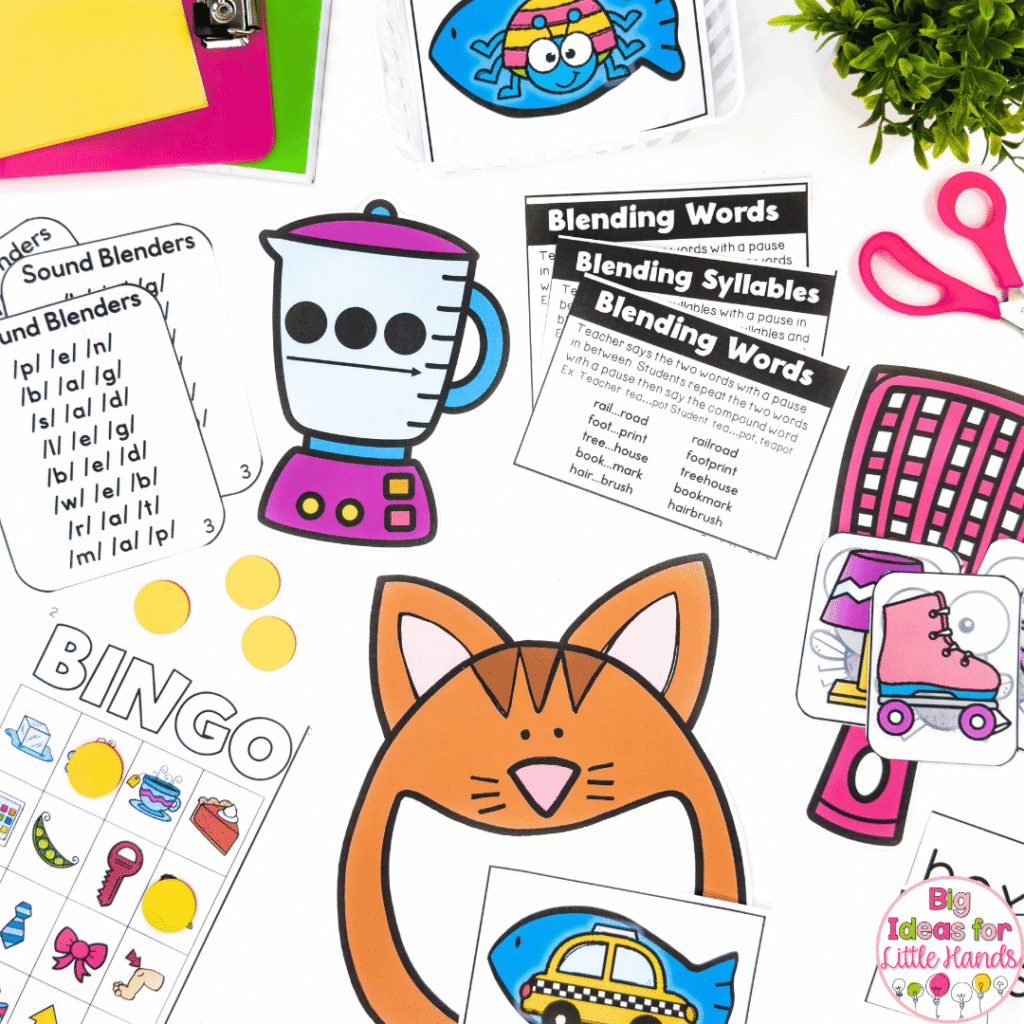
This is where my Phonemic Awareness Games fit perfectly!
After we’ve practiced a skill orally, students immediately have the chance to reinforce that same skill with a hands-on activity. If we practiced blending during Heggerty, students might play one of the blending games during small groups. If we worked on segmenting, they’ll continue practicing segmenting with manipulatives and picture cards. The same idea works for beginning sounds, rhyming, deleting phonemes, and the other skills taught throughout the curriculum.
The games aren’t meant to replace Heggerty. They simply give students additional opportunities to practice the same skills in an engaging, meaningful way after the oral lesson is complete.
Q. – Are the games connected to specific Heggerty lessons or weeks?
No, and that’s actually one of the biggest benefits! The activities are organized by skill rather than by week. This makes planning much easier because you simply choose the game that matches the skill you’re teaching.
Many Heggerty lessons repeat the same phonemic awareness skill throughout the year while changing only the words students practice. For example, students may blend CVC words during the beginning of the year. Later, they’ll still be blending, but the words may include blends or digraphs instead. The skill hasn’t changed, only the words have.
That’s why these games don’t correspond to specific lesson numbers. Instead, they’re designed to support the skill itself, making them useful no matter where you are in the curriculum.
Q. – What weeks correspond to your games? How can they be reused all year?
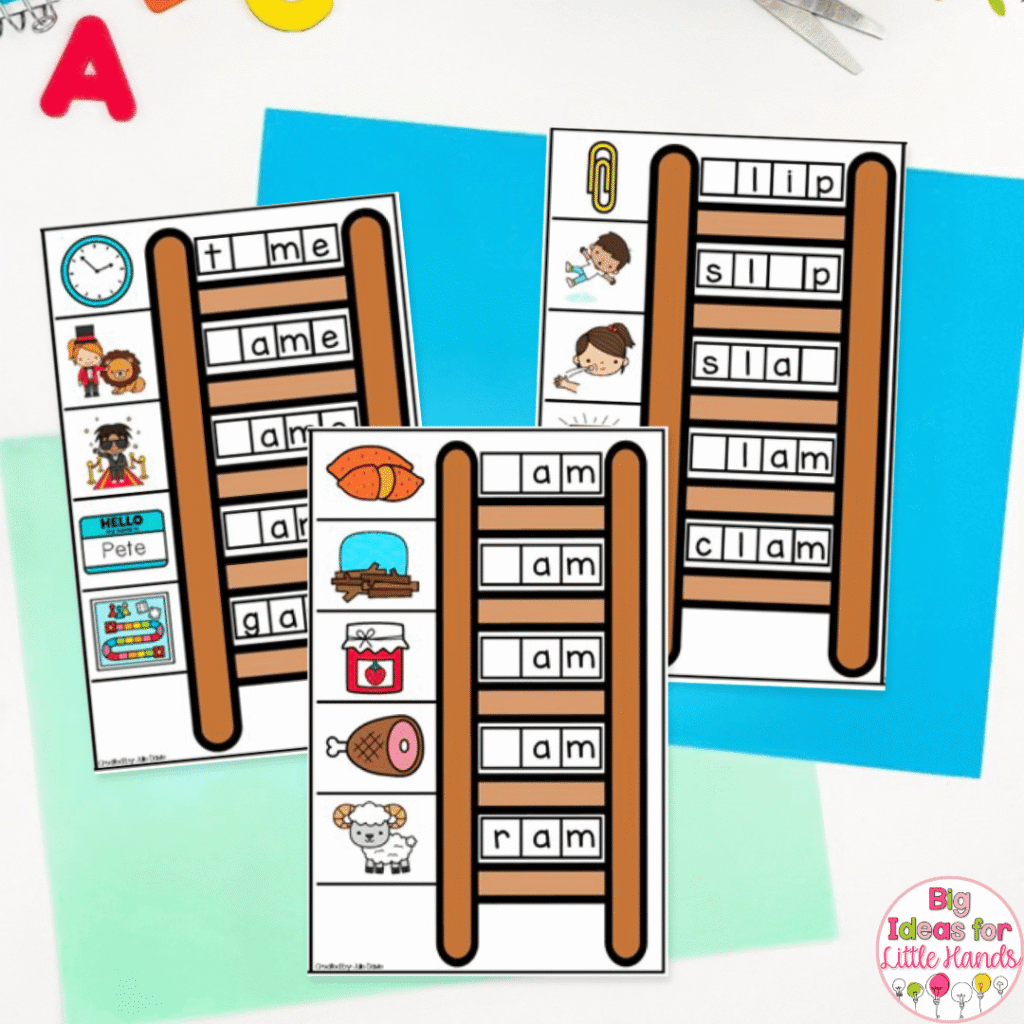
The games were intentionally designed to work all year long. Many activities include both CVC words and CCVC or CVCC words, allowing you to increase the difficulty as students become more confident readers.
That also makes them wonderful for intervention groups. You can revisit the same familiar game while simply changing the word cards students use. Since students already know how to play, they can focus their energy on practicing the phonemic awareness skill instead of learning a brand-new activity.
This also makes lesson planning easier because you can continue using activities your students already love while still providing fresh practice throughout the year.
Q. – What does a daily routine with these games look like?
Here’s what a typical literacy block in my classroom looked like. I liked breaking my Heggerty lesson into three smaller chunks instead of completing the entire lesson at once. It kept students engaged, created natural transitions between reading groups, and gave students multiple opportunities to practice phonemic awareness throughout the block.
Whole Group Heggerty (2-5 minutes)
We started by completing the first page of our Heggerty lesson together. Students participated in the quick oral activities while practicing skills like rhyming, blending, segmenting, and manipulating sounds.
Small Group Rotation 1 (15-20 minutes)
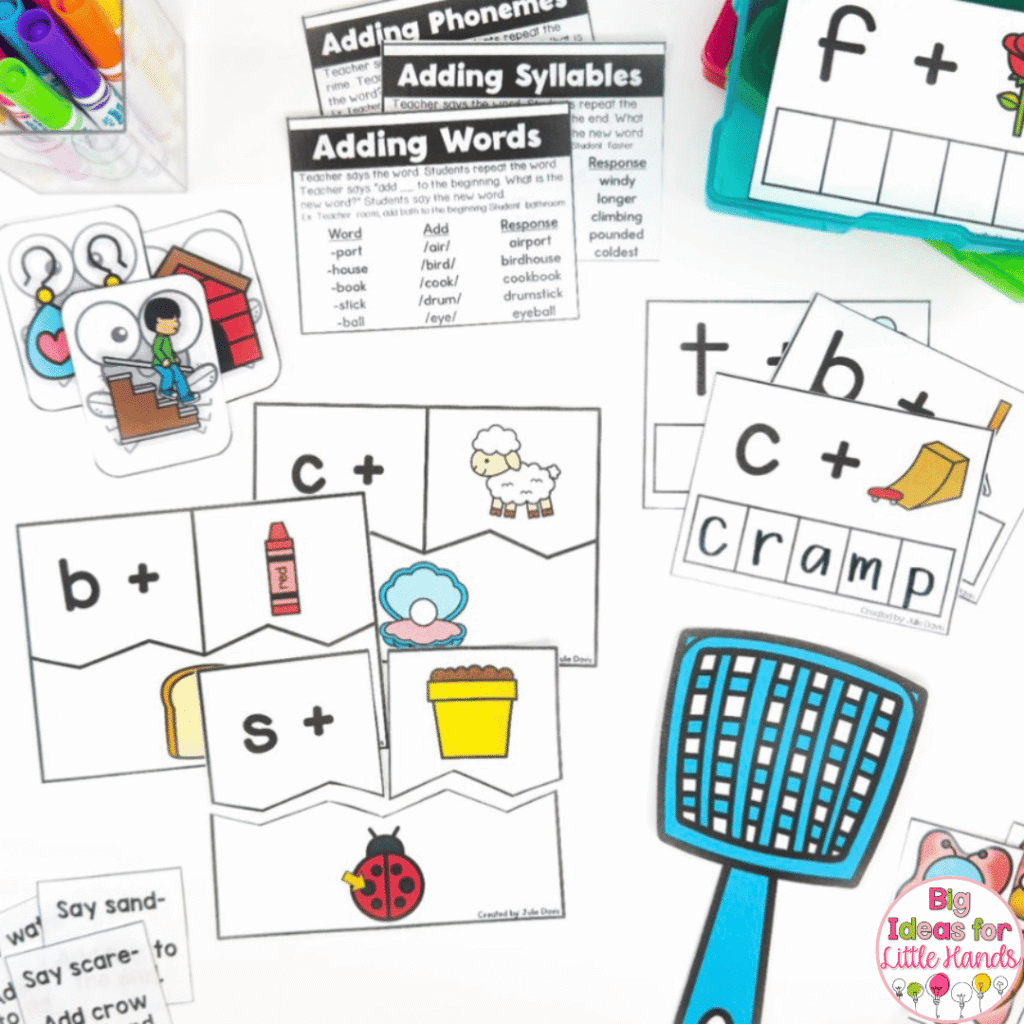
Students rotated into their first literacy groups.
While I met with my guided reading group, another group completed one of my Phonemic Awareness Games that reinforced a skill we had just practiced during Heggerty. Because the activities became familiar quickly, students could complete them independently, with a classroom volunteer, or even with a substitute teacher.
Whole Group Heggerty Review (2-3 minutes)
Before rotating again, we came back together to complete the second page of our Heggerty lesson.
I loved using this as a quick brain break between groups. It helped reset everyone’s attention while reinforcing another set of phonemic awareness skills before students headed back to their next activity.
Small Group Rotation 2 (15-20 minutes)
Students rotated to their next literacy activity.
Depending on the day, another group might complete a different phonemic awareness game while I worked with a new guided reading group. Other students might visit literacy centers or complete independent reading activities.
Final Heggerty Lesson (2-3 minutes)
Before our last rotation, we finished the final page of the day’s Heggerty lesson together.
By spreading the lesson across the literacy block instead of teaching it all at once, students stayed engaged and had several opportunities to revisit important phonemic awareness skills throughout the morning.
Small Group Rotation 3 (15-20 minutes)
Students completed their final literacy rotation while I met with my last guided reading group.
By the end of our literacy block, students had practiced the same phonemic awareness skills in multiple ways. They experienced the quick oral instruction that makes Heggerty so effective, then immediately reinforced those same skills through meaningful, hands-on practice. I found that this combination helped students stay engaged and gave them extra opportunities to strengthen the skills they were learning each day.
Grab a Free Game to Use with Your Heggerty Curriculum
If you’re curious about how these activities work in your own classroom, I’d love for you to try one for yourself. I’ve created a free blending game that gives you a small sample of how the activities are organized and how easily they fit into your small group instruction. It’s simple to prep, easy for students to learn, and a great way to reinforce blending after your daily Heggerty lesson.
Just enter your email above, and I’ll send it straight to your inbox!
Ready to Add Hands-On Practice to Your Heggerty Lessons?
If you’re looking for an easy way to extend your Heggerty lessons beyond the daily oral practice, my Phonemic Awareness Small Group Games were created for exactly that purpose.
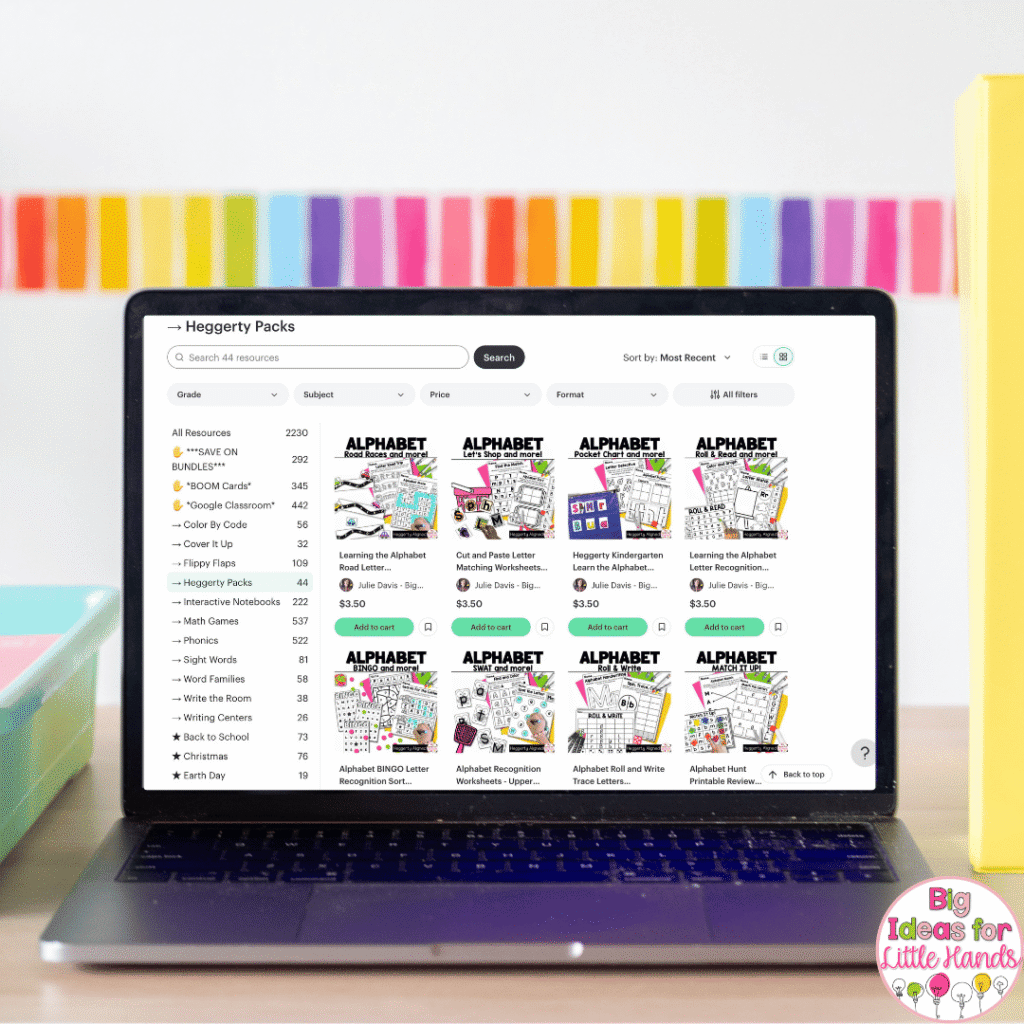
They give students meaningful, hands-on practice with the same phonemic awareness skills they’re already learning, making your literacy block feel more connected while helping reinforce important foundational reading skills.
And if you are looking to add more than just one game, check out my Phonemic Awareness Games Bundle! Remember, this is a growing bundle, so buying in now will give you the best price and give you access to even more games as they come!
Looking for More Support?
Make sure to check out these posts next for more ideas about how you can get started using my Heggerty Aligned Small Group Games to support your students.
- Phonics Games to Practice Blending Sounds
- 5 Fun Kindergarten Letter Recognition Games
- Teaching Ending Sounds with Games
- At Home Phonemic Awareness Games
Pin It!
Make sure to pin this post on Pinterest so that you can find these tips for using small group games to support your Heggerty curriculum later.