You finally get your reading group settled at the teacher table, and then it starts. Someone needs help with their work. Another student has already finished. And someone else is waiting for you to explain the directions again. Sound familiar? In moments like this, when you’re trying to focus on your small group lesson but can’t, I rely on independent literacy activities to save the day! Come along to learn about the four independent literacy activities I love to use again and again!
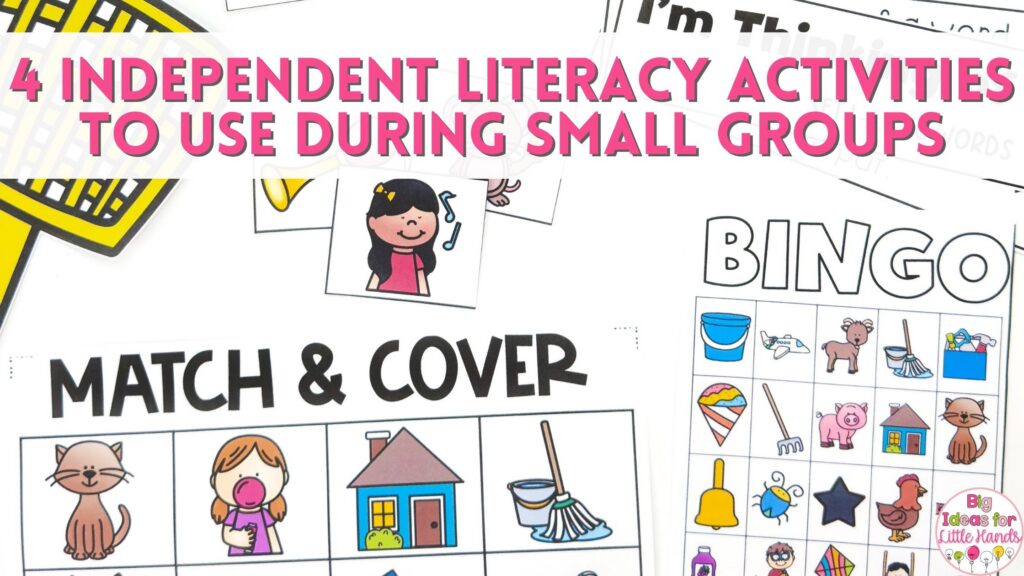
Why You Need Independent Literacy Activities in Kindergarten
Small-group instruction is one of the best ways to meet students where they are, build specific skills, and give them the extra practice they need. But let’s be honest: it can be hard to give a small group your full attention when the rest of your class is asking questions, waiting for help, or finishing their work before you’re ready for them!
That’s why independent literacy activities are so important in kindergarten. When students have meaningful activities they can complete on their own, you can spend more time listening to readers, guiding students through tricky words, and helping your small groups make progress. Instead of constantly pausing your lesson to answer questions about what everyone else should be doing, you can focus on the students sitting right in front of you.
Independent work also gives kindergarteners a chance to build confidence, practice following directions, and take more ownership of their learning. They might not work independently for a long stretch right away, and that’s completely okay! Start with short, familiar activities that reinforce skills you’ve already taught, then build up as students become more comfortable with the routine.
The goal isn’t to keep every student busy with just anything. It’s to give them purposeful literacy practice that keeps learning going while you work with your small groups.
How to Help Students Use Independent Literacy Activities
First things first. Let’s talk about how to set up your classroom for success with independent literacy activities. These are my top tips that make it simple!
Teach the Directions First
Practice each activity together as a class before adding it to your rotation. Show students what to do, how to use the materials, and how to clean up when they’re finished.

Keep Materials Organized
Use labeled baskets or trays so students can find what they need and put everything away without interrupting your group.
Make Directions Visible
Post simple instructions or display a finished example students can reference when they get stuck.
Offer a Few Choices
Start with two or three familiar activities instead of overwhelming students with options. Add more as they become comfortable working independently.
Plan for Early Finishers
Show students what to do when they finish or need help. They might check their work, repeat the activity, or choose another approved task to work on quietly.
Reinforce Familiar Skills
Choose activities that practice skills you’ve already introduced. Save brand-new concepts for your teacher table, where you can provide support.
Once students know the routines, these four independent literacy activities can help keep them engaged while you teach your small group.
The Easy-to-Use Activities That Make a Big Difference
Now that we’ve covered the how, let’s talk about the what. Here are four easy activities to try in your classroom!
1. Color by Code and Write the Room Activities
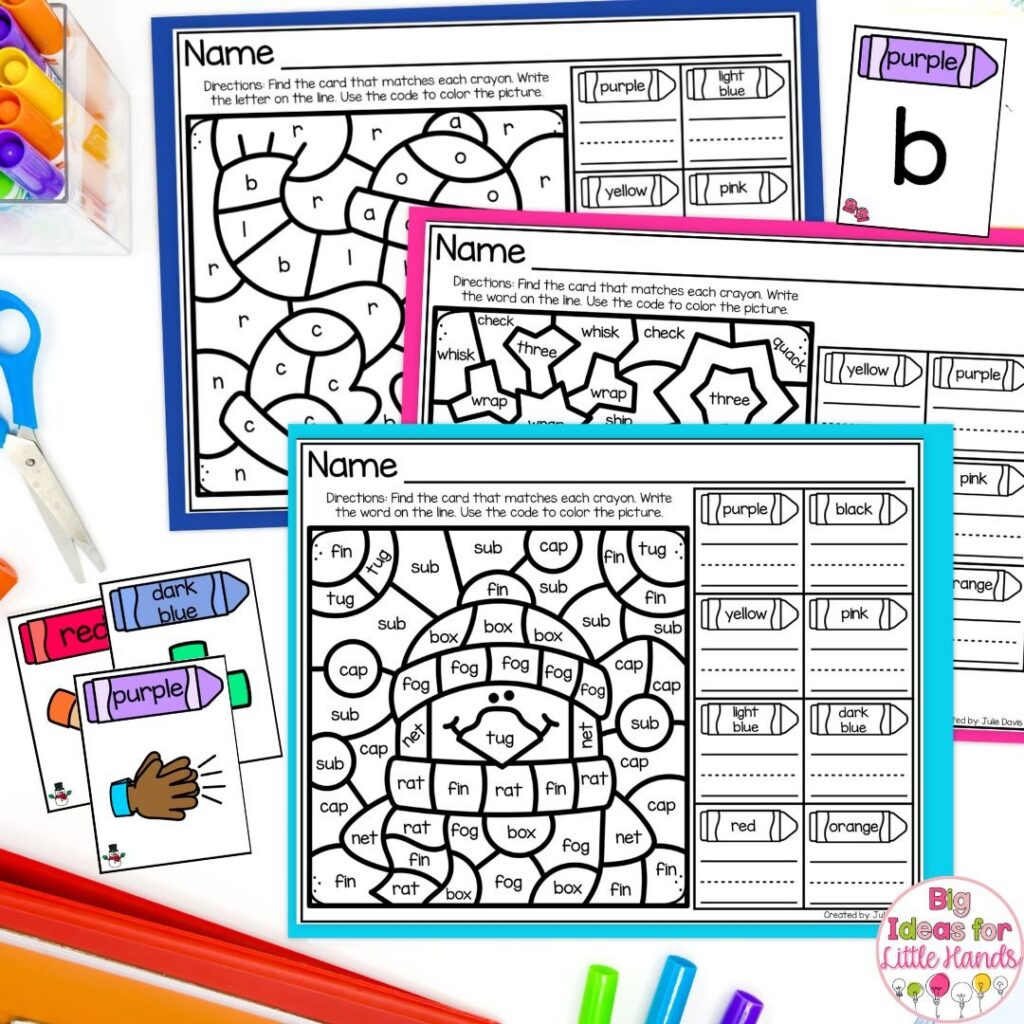
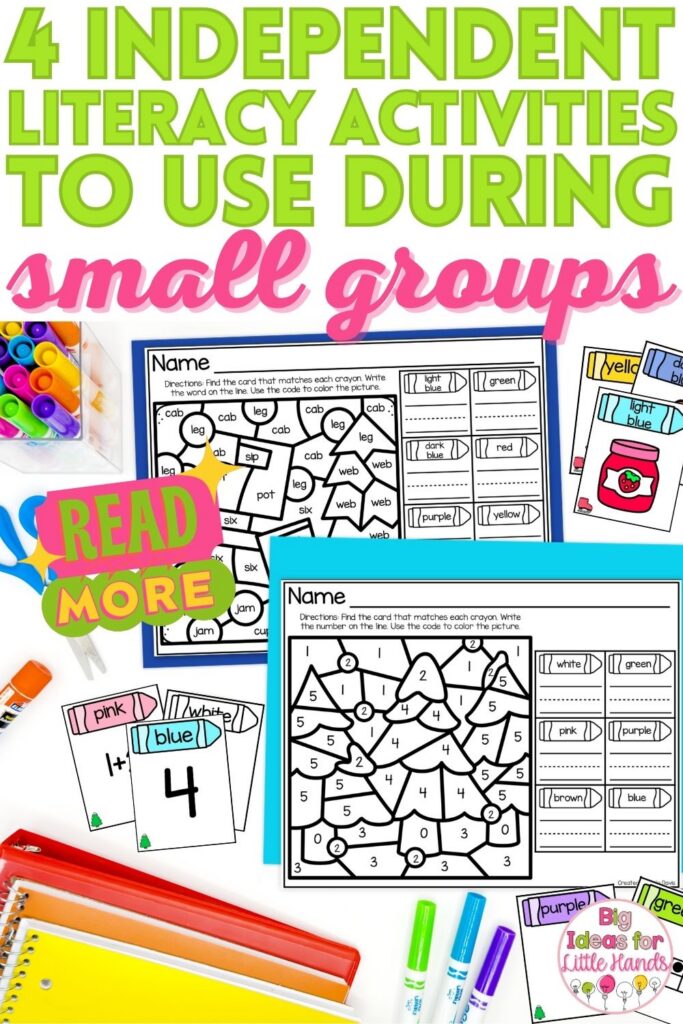
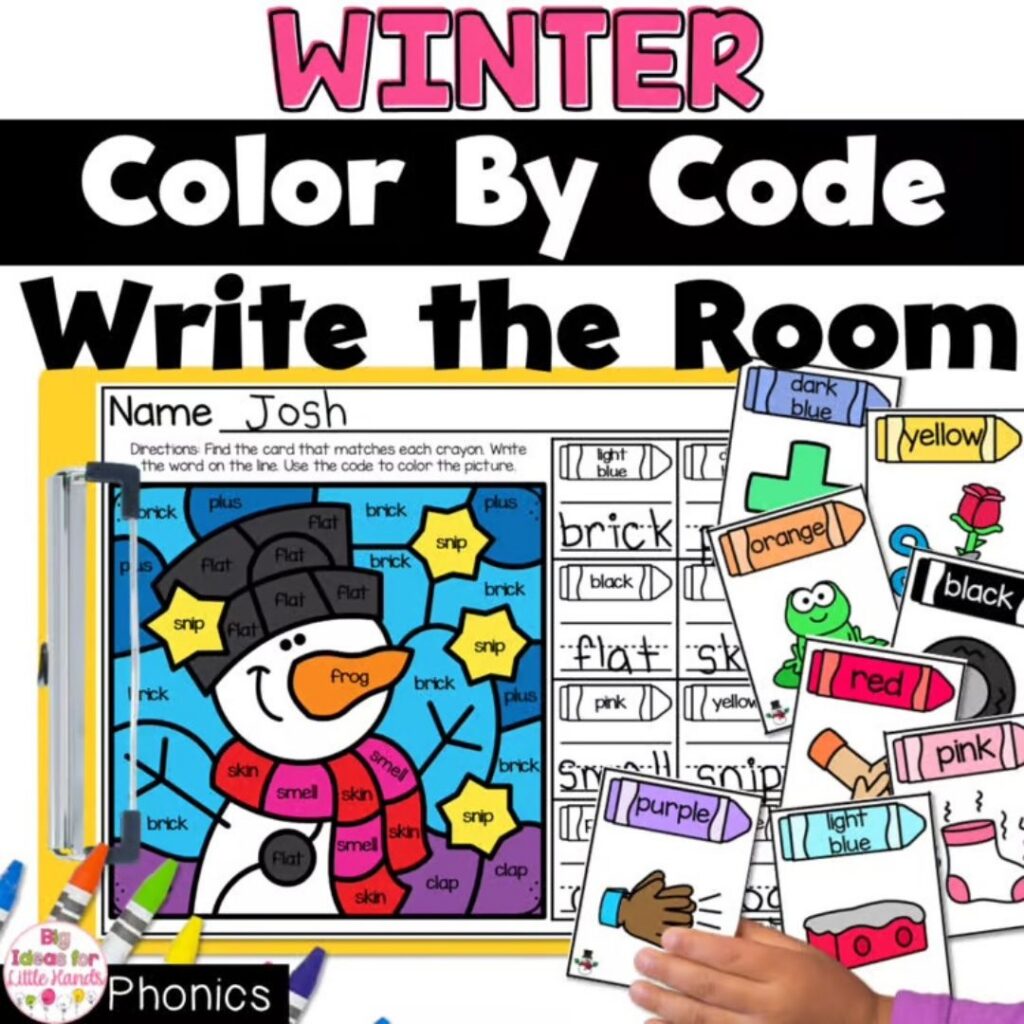
If your students need a little movement during literacy time, Color by Code and Write the Room Activities are a great choice. This 3-step activity will keep the rest of your classroom engaged while you work in small groups. Students search the classroom for phonics cards, record their answers, and then use a Color by Code page to reveal a mystery picture.
The Winter Phonics Color by Code and Write the Room activity includes practice with uppercase and lowercase letters, beginning sounds, CVC and CVCe words, digraphs, and blends. You can choose the skills that match your students’ needs, making it useful for learners in Pre-K through first grade.
Classroom tip: Hang the cards before your reading block and review the directions with students first. Start with a few cards if they’re new to the routine, then build up to the full activity as they become more independent.
2. Independent Writing Centers
Sometimes the hardest part of writing is figuring out what to write! A writing center with picture cards, word banks, and sentence starters gives students a place to begin.
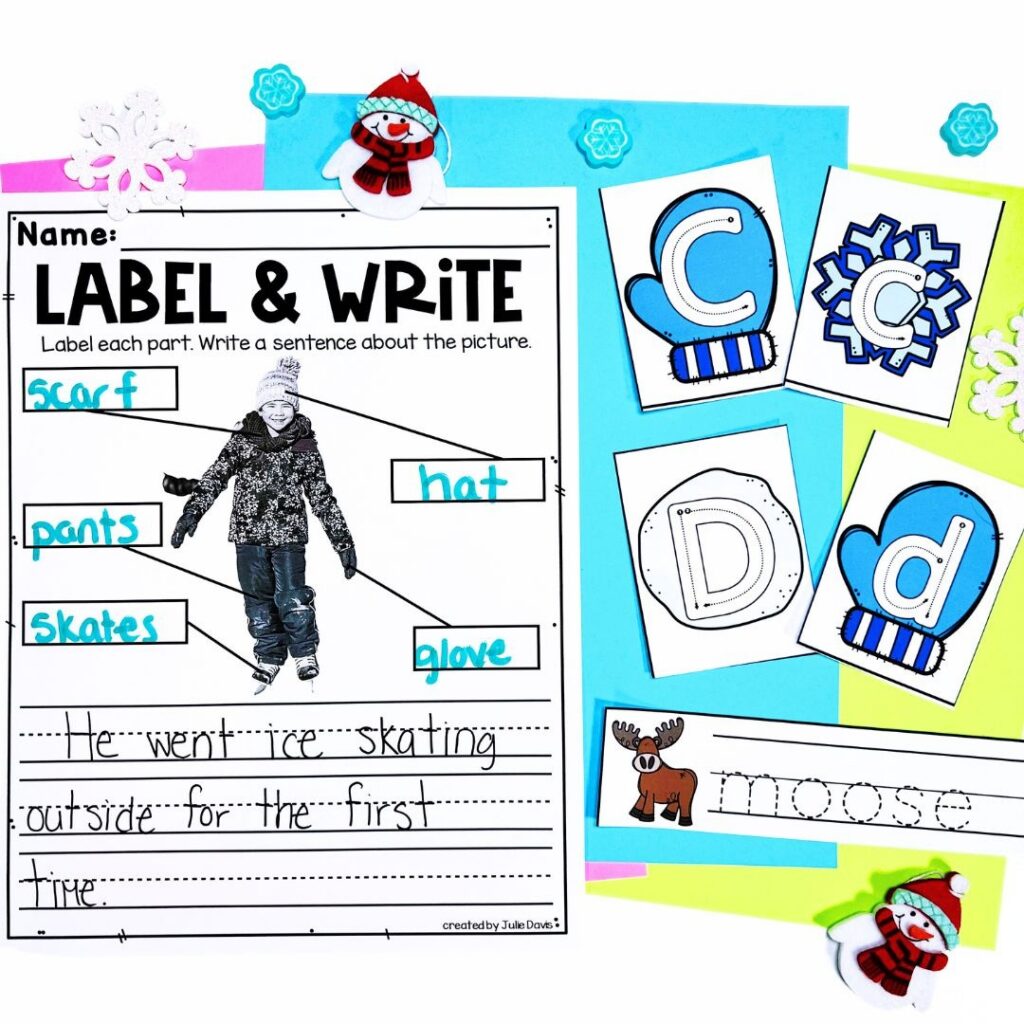
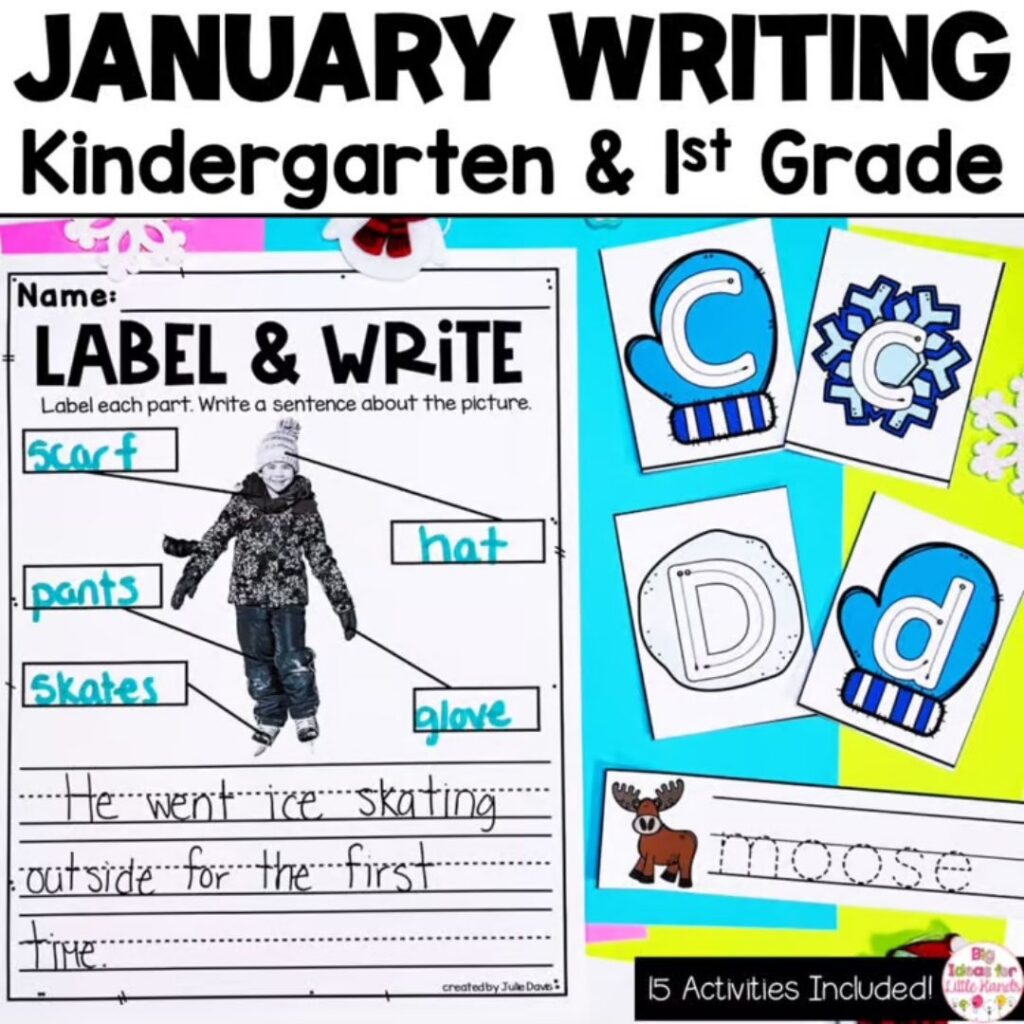
For a winter writing center, students might label a snowman, list winter clothes, write about their favorite winter activity, or create a silly story using picture cards.
My January Winter Writing Centers resource includes 15 activity types across themes like winter, snowmen, winter sports, New Year’s, and Martin Luther King Jr. With options for tracing, labeling, sentence writing, and storytelling, students can practice at different levels.
Classroom tip: Introduce one activity at a time and keep the directions visible. Sentence starters and tracing options support students who need help, while open-ended writing pages challenge those ready to work more independently.
3. Familiar Literacy Games
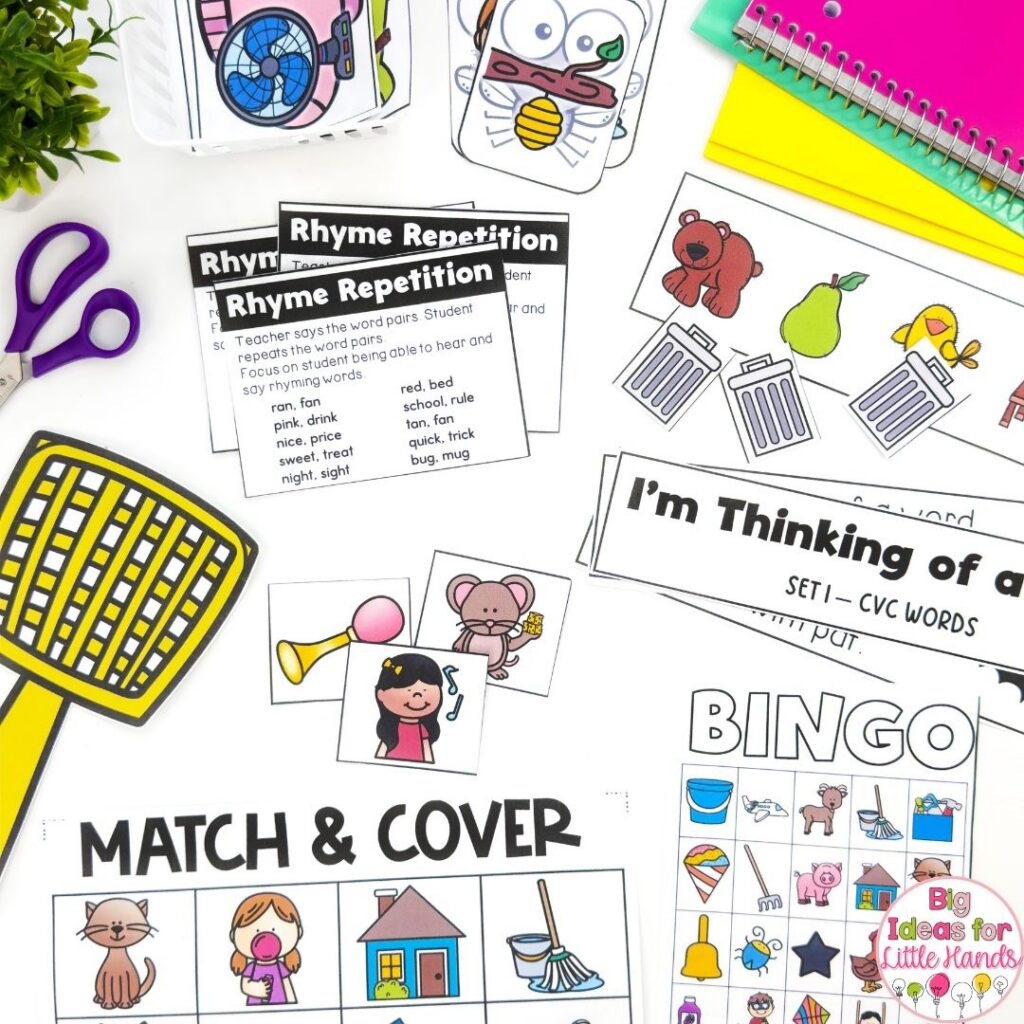
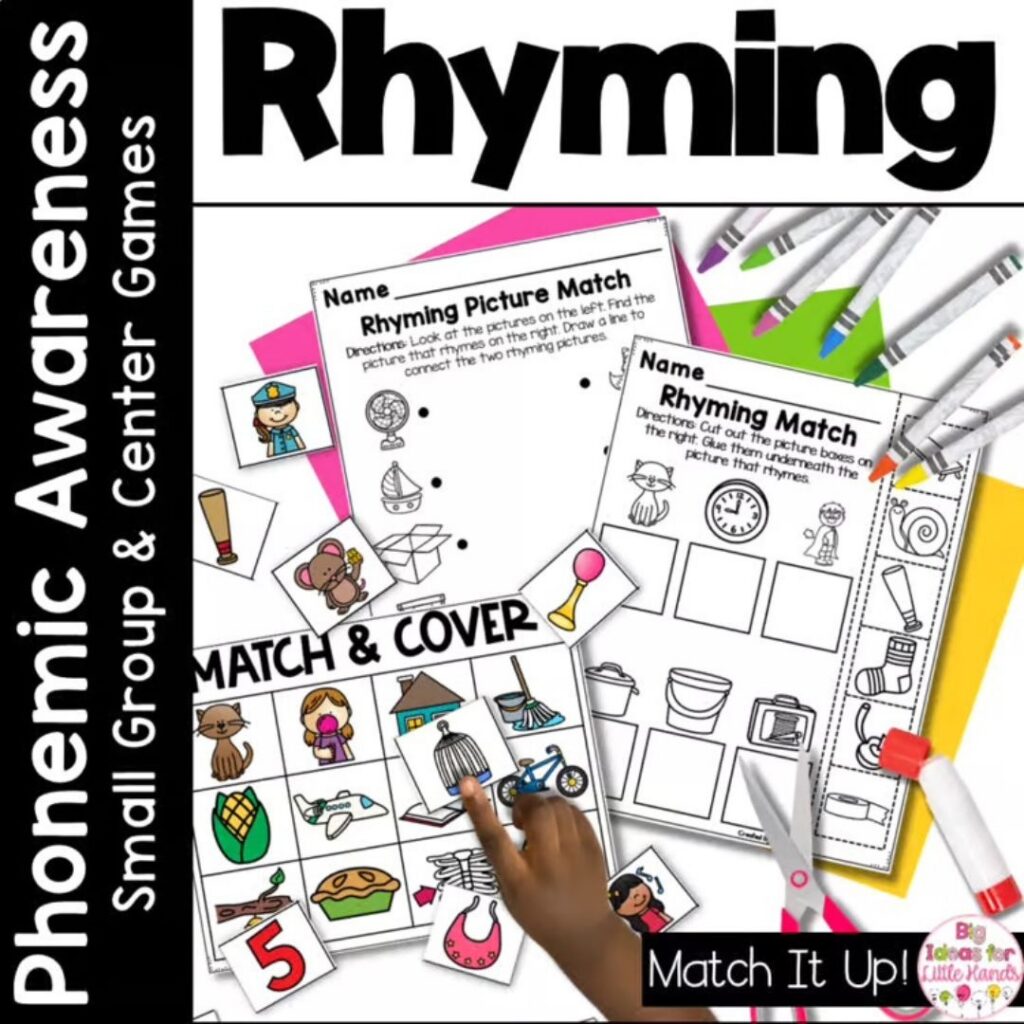
Rhyming games are an easy way to reinforce phonological awareness without adding another worksheet to your day.
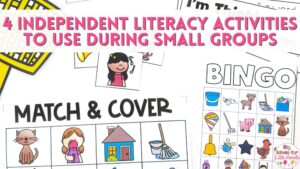
This set of Rhyming Activities includes a variety of games for rhyme recognition and rhyme production. The Match and Cover Game included is perfect to add to your list of independent literacy activities. Students will choose a picture card, say the word, and find a rhyming match on their mat. The set also includes many worksheets that are perfect for independent practice!
Classroom tip: Play a few rounds together before asking students to play independently. Once they know the rules, you can rotate different games into your literacy routine throughout the year.
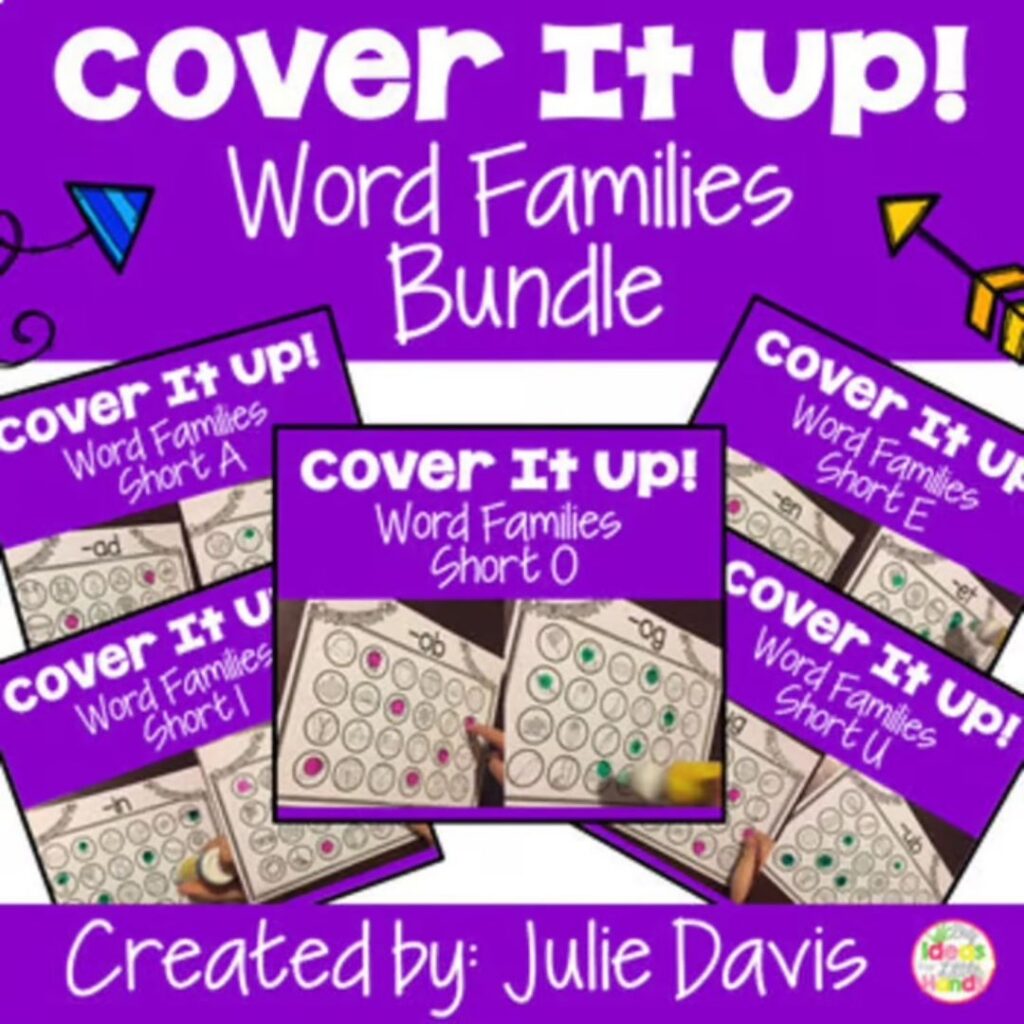
4. Cover It Up Mats
When you need a quick activity students can start right away, Cover It Up mats are a simple option.
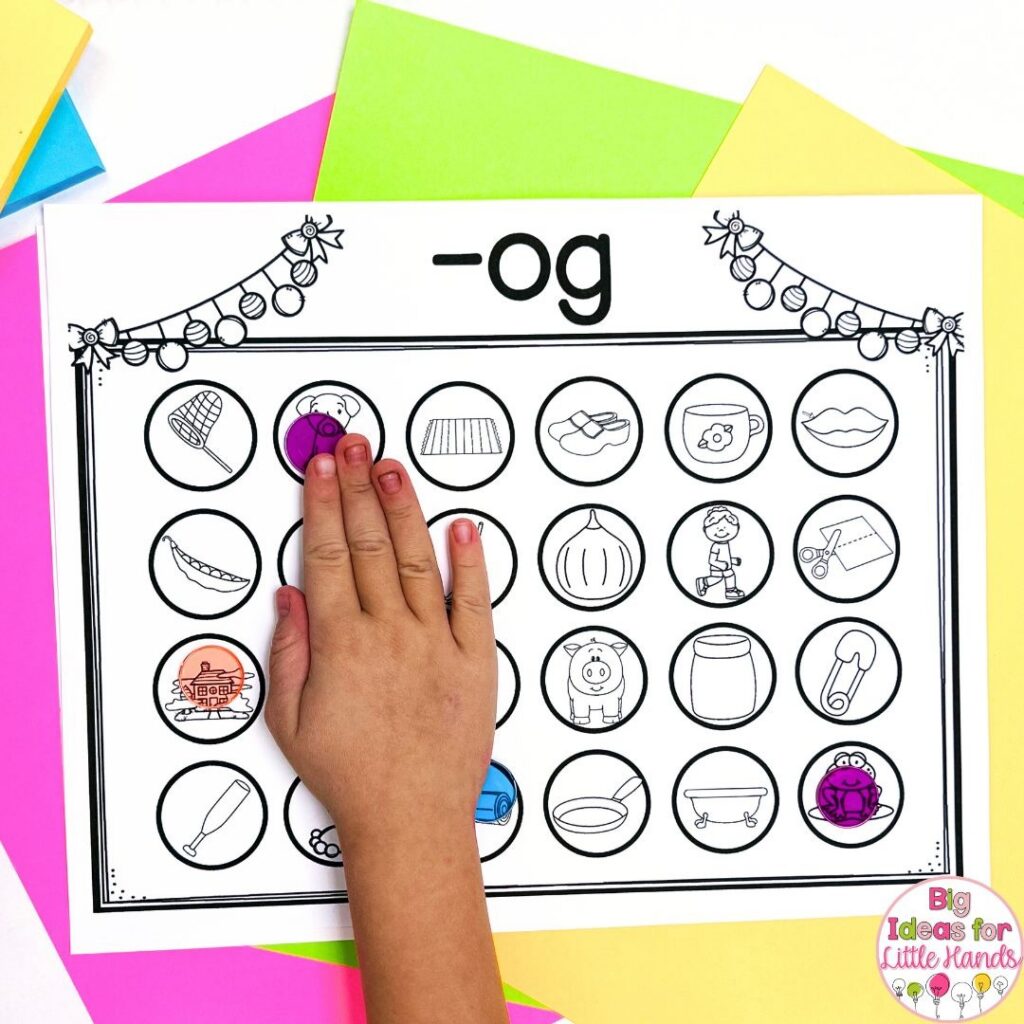
Students practice word families by identifying words and covering matching spaces with counters or bingo chips. You can also let them color the spaces or use bingo daubers.
This bundle of Cover It Up Word Families Mats includes short A, E, I, O, and U word families, with multiple sheets for each set. This makes it easy for students to practice the same skill with different pages.
Classroom tip: Keep the mats and counters together in a labeled basket. Model how to complete the activity, then let students use the familiar routine for morning work, literacy centers, or small-group warm-ups.
Make Your Independent Literacy Activities Work for You!
Remember this. . . You don’t have to introduce all four independent literacy activities at once. Start with one that fits your students’ needs, practice the routine, and add more options as they become comfortable working independently.
Whether you choose a hands-on phonics activity, a writing center, rhyming games, or word family mats, the goal is the same: give students meaningful literacy practice while you focus on teaching your small group.
If you’d like some ready-to-use options, explore the Winter Phonics Write the Room and Color by Code, January Winter Writing Centers, Rhyming Activities and Games for Small Groups, and Cover It Up Word Families resources to find the activities that work best for your classroom.
A few well-practiced routines can make your small-group reading block feel much more manageable!
Looking for More Small Group Support?
Make sure to check out these posts next!
- Small Group Guided Reading Warm-Ups
- How to Differentiate Phonics Instruction Using Small Group Games
- Making the Most of Small Group Time in the Primary Classroom
Save These Independent Literacy Activities
Make sure to pin this post on Pinterest so that you can come back to these independent literacy activities later!