Small group time is one of the most powerful parts of the day in a primary classroom. It’s where you can give students more individualized instruction, target specific skills, and see their growth up close. But let’s be honest. . . it can also feel a little overwhelming when you’re juggling groups, materials, and transitions! The key to making small groups run smoothly (and keeping your sanity!) is being prepared and intentional with every minute. Keep reading to learn how!
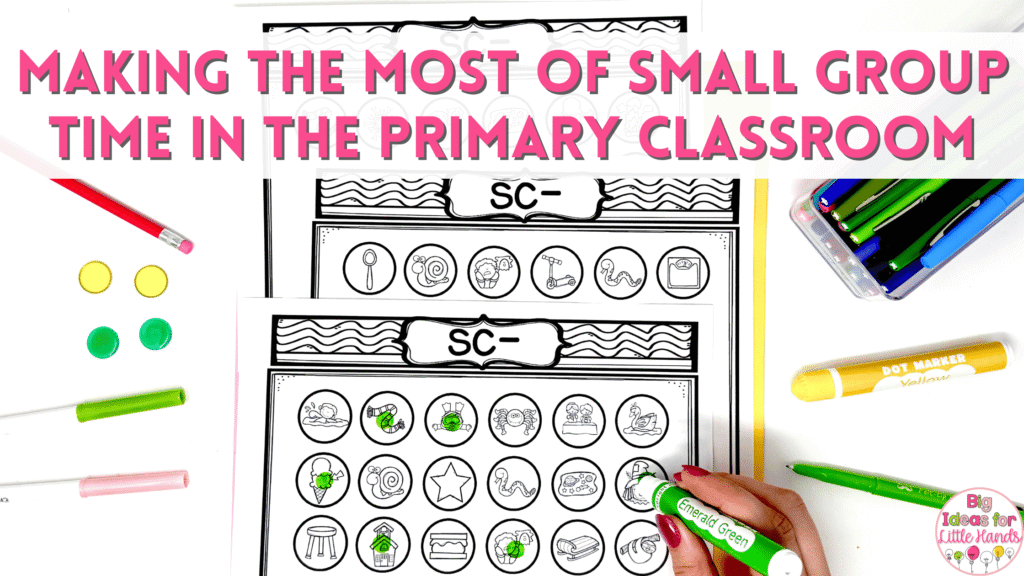
Common Small Group Struggles
Small group time is where the magic happens. Students get targeted instruction, extra practice, and the kind of support that’s hard to deliver in a whole-group setting. But while small groups are powerful, they’re also tricky to manage. Maybe you’ve felt frustrated when materials weren’t ready, students were restless, or valuable minutes slipped away in transitions. You’re not alone!
These are struggles every teacher faces. The good news? With a little preparation and a few smart systems, small group time can run smoothly and feel productive, instead of chaotic. Let’s take a look at some practical tips and ready-to-use resources to take the stress out of small group instruction!
1. Be Prepared: Have Materials Ready to Go
This might be the most crucial tip on this whole list! The biggest time-waster during small group time happens when students are waiting for us to get materials ready. I get it! Multiple groups, each with different activities, it is a lot to put away and get out in just seconds.
But it doesn’t have to be this way, and fixing this issue isn’t too hard. By setting up your materials ahead of time, you can keep things moving smoothly and ensure everyone is on task. Here are a few easy ways to stay organized:
Use Bins or Drawers for Each Group

I love to use drawer cart units for small group time because they make it so easy to keep all of my materials straight! Just label each one with a color or number, and you can keep everything you need for each group in one handy spot. Fill them with skill-specific activities for that group, your lesson plans, and even your data-collecting notes. Fill an extra drawer or bin with your go-to small group supplies so they are easy to grab as needed. This includes items such as pencils, dry-erase boards and markers, counters, and pointers.
For example, if Group 1 is working on CVC words, I’ll copy five Cover It Up pages and put them in their drawer. Group 2’s drawer might have alphabet bingo cards so we can work on letter sounds. That way, when it’s time to meet, I just pull out the drawer and everything is ready.
Batch Prep & Set Up
On Friday, I set up my drawer carts for the following week to ensure I’m ready for Monday morning. I actually like to take this one step further and prep for the whole month at once. I make copies all at once, then I use paperclips and Post-its to bundle up materials for each week, day, and group. These are stored in a big tub in my teacher area.
On Fridays, I fill the drawers in just a few minutes before I head out for the weekend. Since everything is copied, I can also easily make any last-minute changes based on student progress. It’s a quick, low-stress process! It takes a little time up front, but man-oh-man, I am SO glad I did it come Monday!
2. Use Strategic Small Group Warm-Ups
When I first started teaching, I learned very quickly that a warm-up activity is essential, not optional, for small group time. Why? If you don’t have something ready to go the moment those kids sit down, you’re already losing engagement. Ask me how I know! The solution is to choose a strategic warm-up activity for small group time that is easy to use and familiar to your students.
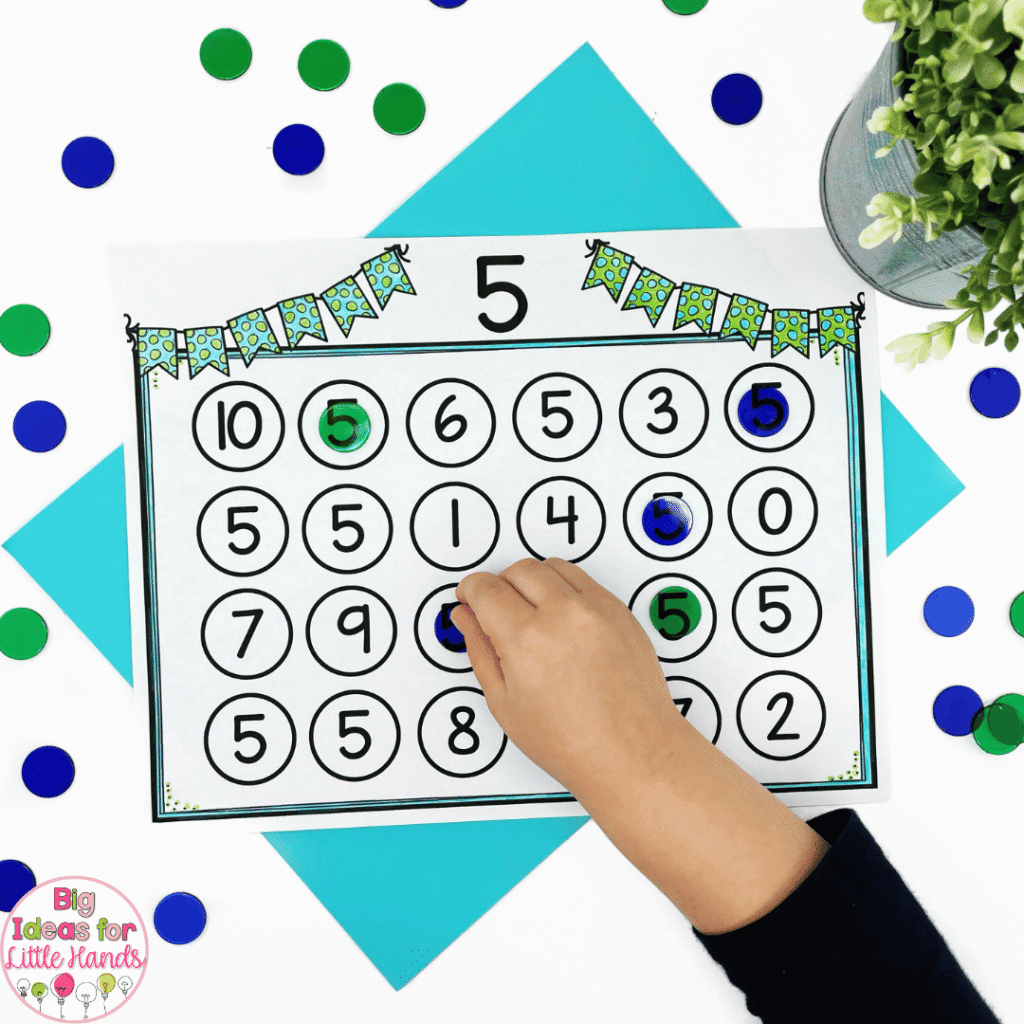
My favorite activities to fill this need are called “Cover it Up” pages. These focus on a wide variety of math and literacy skills, are low-prep, and fun for students to use independently. The focus skill is at the top, and they will find the matching pictures, letters, words, or numbers on their page and cover them up. We switch up what we use to cover with to keep things fun. Options include play dough, dot markers, crayon coloring, counters, mini-erasers, and more! Here are some of my favorite resources that feature different skills:
- Numbers 1-10 Identification Pages
- Number Sense – Subitizing Pages
- Letters & Phonics Skill Pages Bundle
These pages are great because there is a lot of variety included to allow for quick and easy differentiation. As you’re prepping your materials for the month, you can choose the pages that suit the skill level of each group. And. . . they can often be reused by multiple groups over the course of the month.
Remember, the key here is to avoid downtime. Having a familiar warm-up activity waiting for students the second they sit down sets the tone and eliminates wasted minutes. The kids get started with a skill review, and you have the time you need to get the next activity ready. The key is choosing skills they have already learned and activities they know how to do, so they can work independently while you get everyone settled. These Cover It Up pages fit the bill perfectly for both your math and reading small group sessions!
3. Boost Engagement with Games & Activities
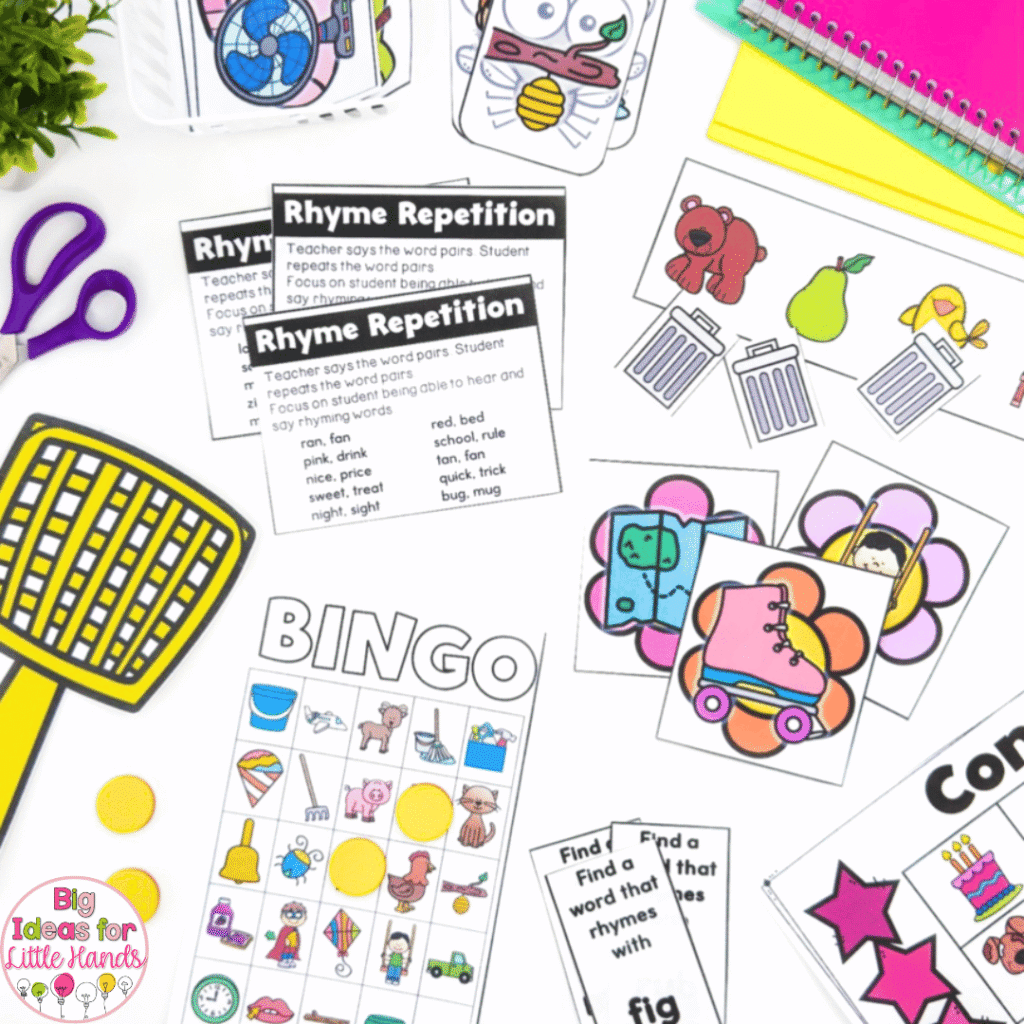
Once students are warmed up, it’s time to dive into your main lesson. To keep their attention and make learning fun, it helps to include interactive games and hands-on activities in your small groups. Actually, this is my favorite thing to do during small group time! Games not only keep students engaged but also give them repeated exposure to key skills in a way that feels exciting instead of repetitive. Whether it’s matching, sorting, BINGO, or partner play, games are the secret to keeping small group time lively and productive!
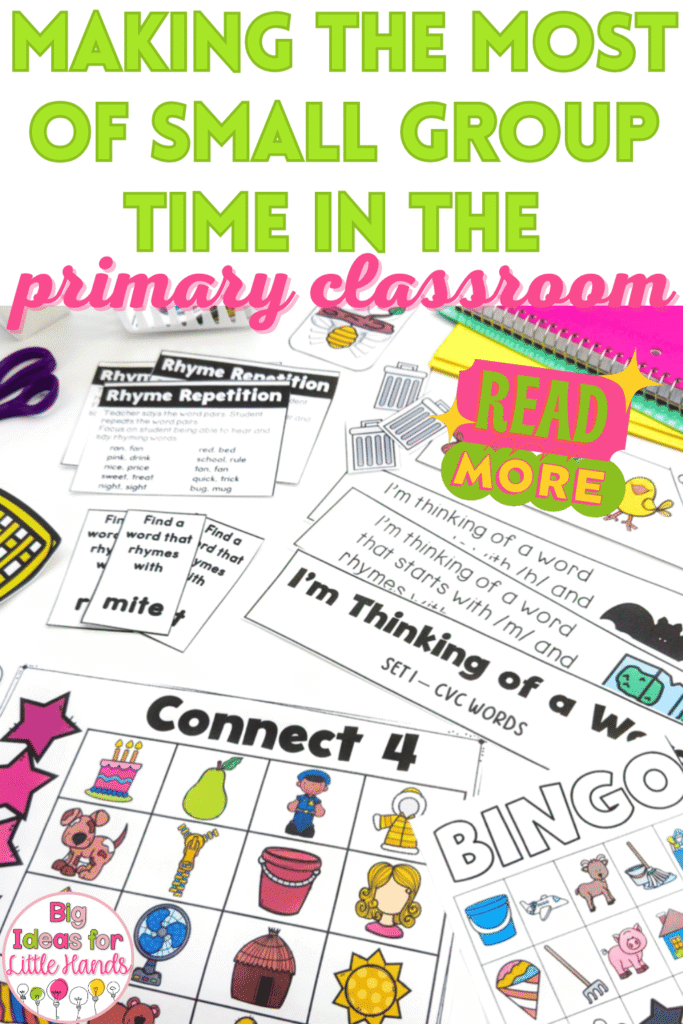
If you’re looking for a one-stop shop for all things alphabet to use in your reading small groups, you’re going to love my Alphabet Heggerty Small Group Games! These are Science of Reading aligned, and a fantastic companion to the Heggerty Reading Lessons, but they can be used in any classroom looking for fun and engaging ways to strengthen letter recognition skills. This bundle is jam-packed with 16 different games that focus on letter identification as well as uppercase and lowercase letter matching. Your students will love playing games like:
- BINGO
- Roll & Read
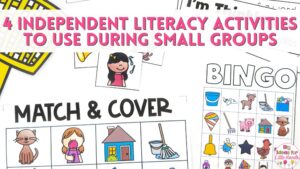
- Match & Cover
- Feed Me
- Road Races and more!
These activities are designed for small groups and partner games, so they are perfect for this slot in your day! Not to mention, if you save these engaging games for small group time, your kids will look forward to their turn to play and interact with you each day! And. . . once they know how to play, you can re-use them as independent center activities, too!
More Small Group Games
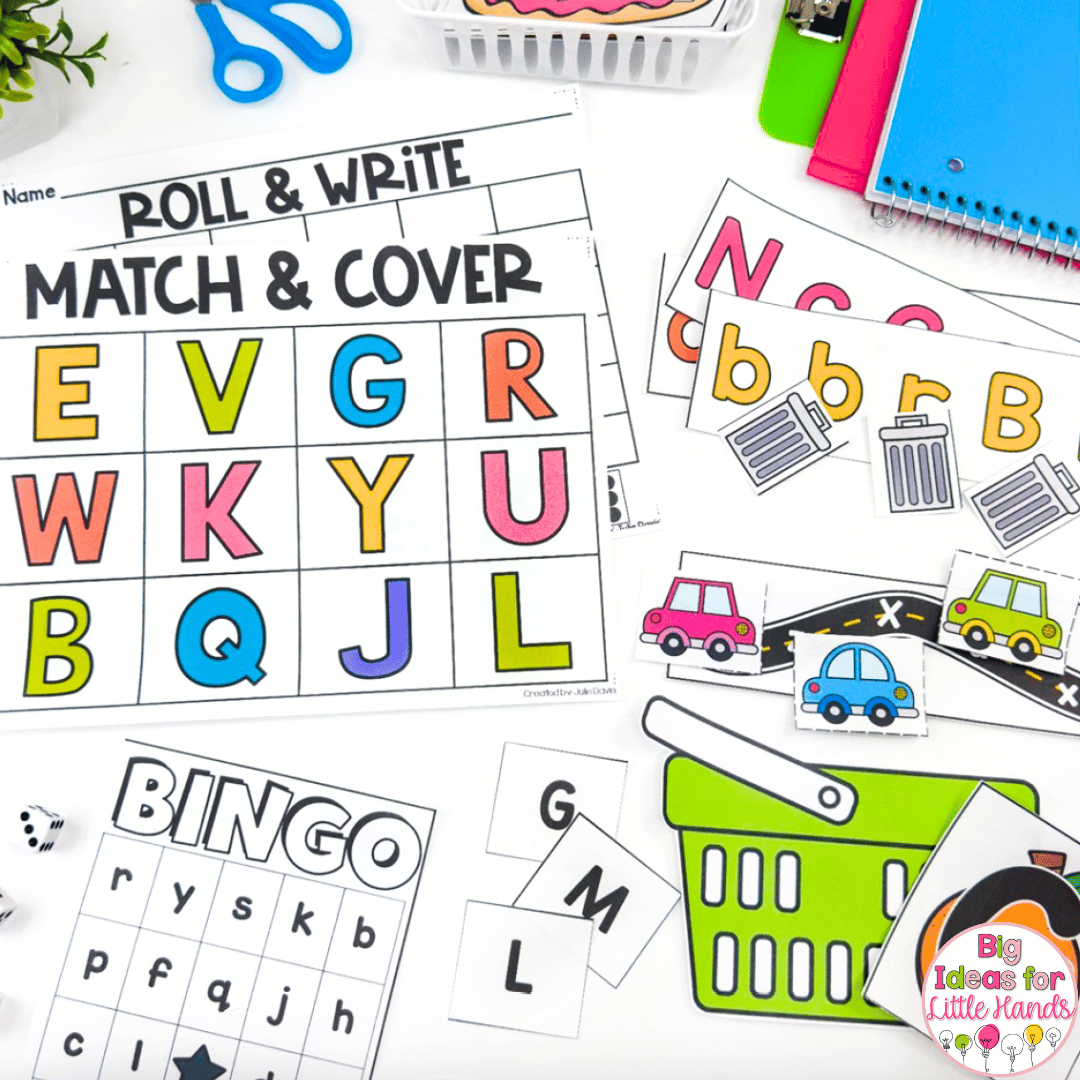
Looking for more phonics and phonological awareness activities to use during small group time? I’ve got you covered! Take a peek at my Heggerty Phonemic Awareness Year-Long Bundle to find ALL the skills in one place!! This is a giant bundle that is packed with tons of great small group games and focuses on the following skills:
- Letter Identification
- Rhyming Words
- Initial Sounds
- Blending
- Segmenting
- Final Sounds
- Middle Sounds
- Substituting Phonemes
and. . . more skills are coming soon! This mega bundle will set you up for small group success for the whole year! With seemingly endless games and resources, you’ll be ready to tackle small group time each and every day. Plus, having all of these resources at your fingertips will make it simple to plan and prep your group session materials each week. You can grab the full bundle here to have everything you need at your fingertips.
Pulling it all Together for Fantastic Small Group Sessions
Small groups don’t have to be stressful. With a little prep, a go-to warm-up routine, and engaging games, small group time can truly be the best part of your day. If you want to make it even easier, head over to my shop and grab the ready-to-use small group bundles I shared here. They’ll save you time and keep your kids excited to learn!
Save This Post
Make sure to pin this post on Pinterest to keep track of these ideas and activities for small groups in the primary classroom!