Have you wondered how to help your students move from sounding out words letter by letter to actually reading them? Today, we’re demystifying blending! This is arguably one of the hardest skills to master in early literacy. But don’t worry, friends, I’ve got a few tricks and some brand new blending workbooks up my sleeve to make this easier than ever!
The Moment We All Know
You know the moment well. You point to “map,” and they confidently say: /m/… /a/… /p/. But when you ask, “What word do those sounds make together?” they look at you like it’s the world’s hardest puzzle.
If you have taught beginning readers for any amount of time, you have probably seen this exact moment many times before.
Blending is one of the biggest turning points in early reading. It is the skill that helps children move from simply knowing letters and sounds to actually reading words independently. But for many young learners, blending sounds smoothly takes a lot of practice, repetition, and encouragement.
Why Blending Can Feel So Difficult for Young Readers
So why do our kiddos get stuck here anyway? Blending requires children to hold multiple sounds in their minds at once while combining them smoothly into a word. That is a huge skill for beginning readers.

Some students can identify sounds individually but cannot yet push them together fluently. Others rely on guessing based on the first letter because sounding out words feels slow and difficult. And some children simply need far more repetition before blending starts to feel automatic.
That is completely normal!
Blending is one of those foundational reading skills that develops over time through repeated exposure and consistent practice. Once students begin blending more automatically, reading starts to feel much less intimidating.
That is why regular practice with CVC words, short vowels, blends, and digraphs is so important during the early reading stages.
How Blending Workbooks Support Early Readers
One thing I have learned over the years is that struggling readers usually do not need more complicated explanations. They need opportunities to practice the skill in simple, manageable ways. That is where blending workbooks can be so much help.
Instead of overwhelming students with too much at once, these activities break blending into small steps that feel approachable. Students get repeated practice with sounding out words while staying engaged through coloring, matching, drawing, cutting, and sorting activities.
The repetition helps blending feel more familiar, while the interactive format keeps students from shutting down during phonics practice.
And the best part? You can easily fit these activities into your existing literacy routine without adding extra prep to your day.
Who These Blending Workbooks Work Best For
These workbooks are flexible enough to work in lots of different learning environments, which makes them especially helpful for both teachers and families.
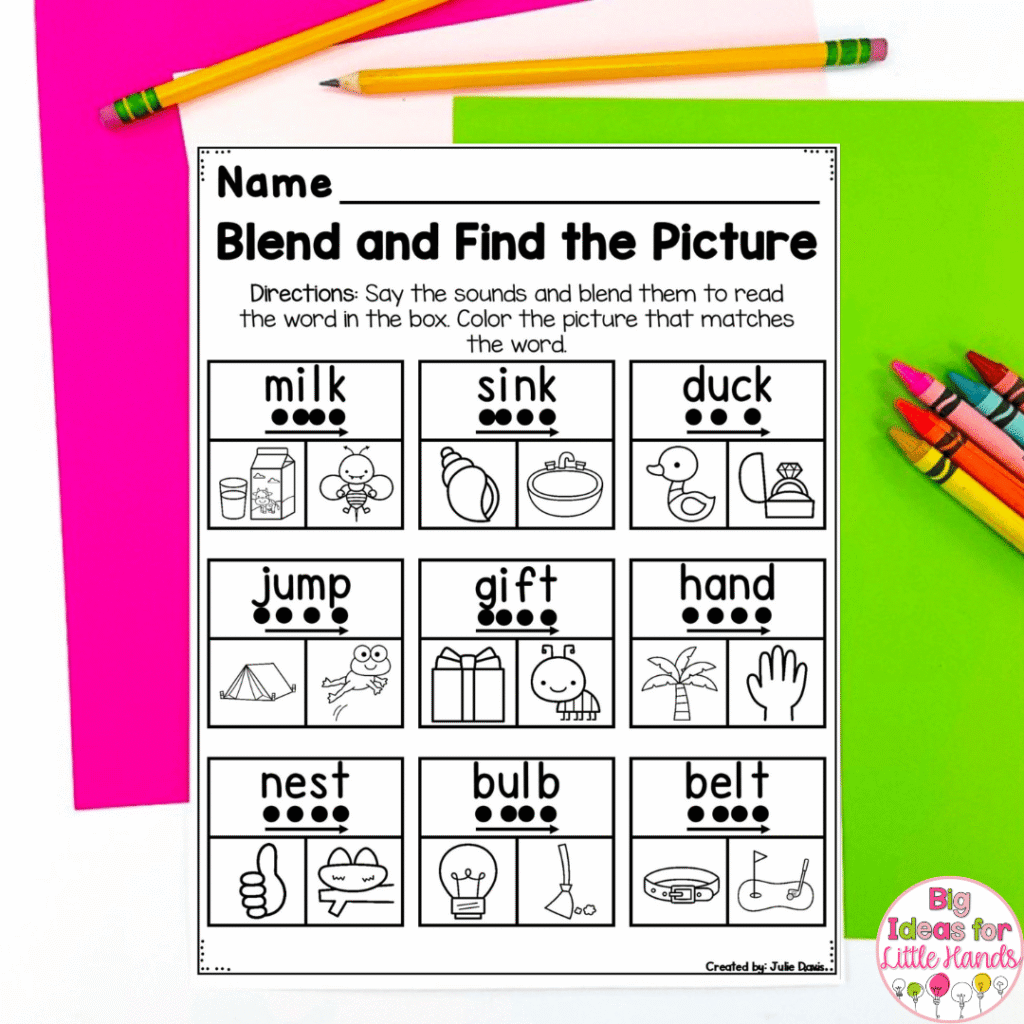
You can use them during:
- Literacy centers
- Morning work
- Small groups
- Intervention time
- Homework practice
- Tutoring sessions
- Homeschool lessons
- And more!
Because the activities are simple and predictable, students are able to build independence while still getting meaningful phonics practice. Now let’s look at how each workbook supports a different type of learner.
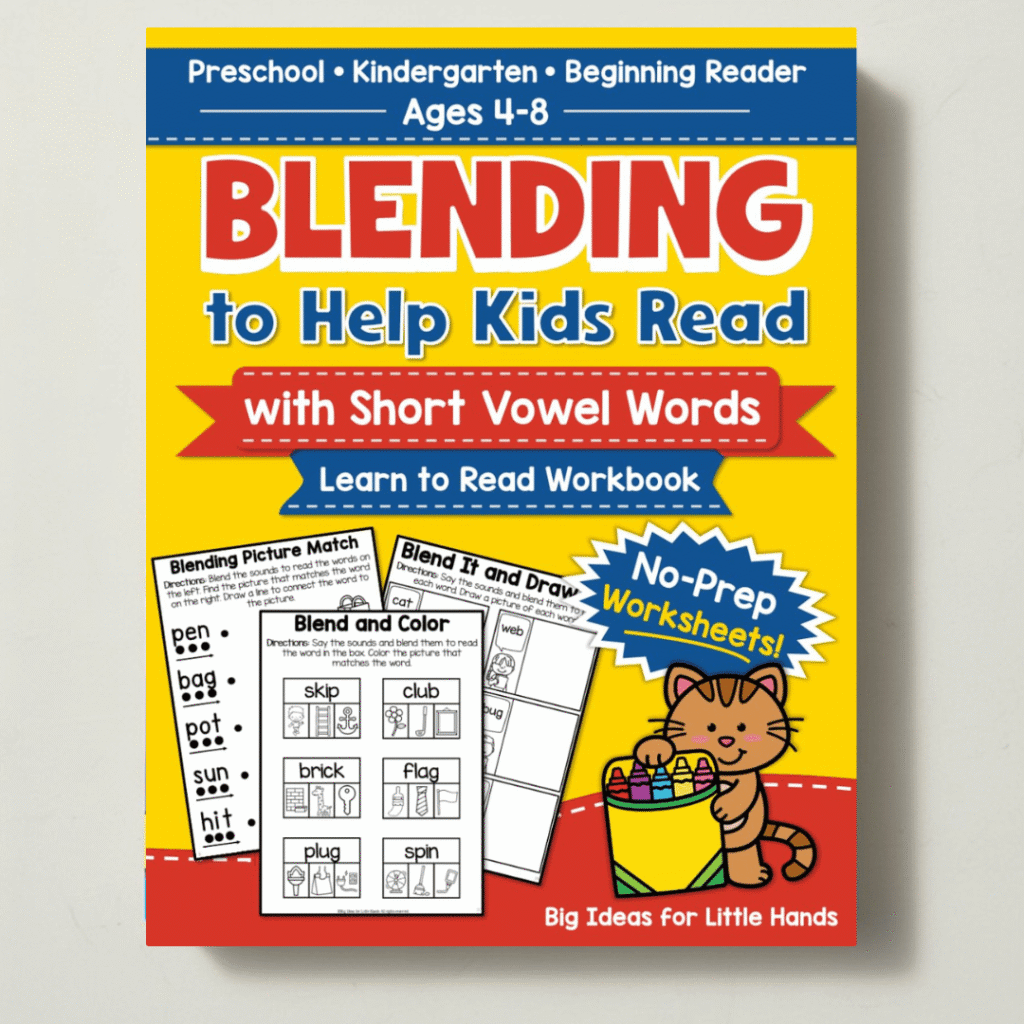
No-Prep Blending Workbook for Simple, Independent Practice
There are times when we need activities that are calm, structured, and easy to complete independently. When worksheets are too busy or directions feel confusing, struggling readers can become frustrated very quickly. That is exactly why this No-Prep Blending Workbook works so well!
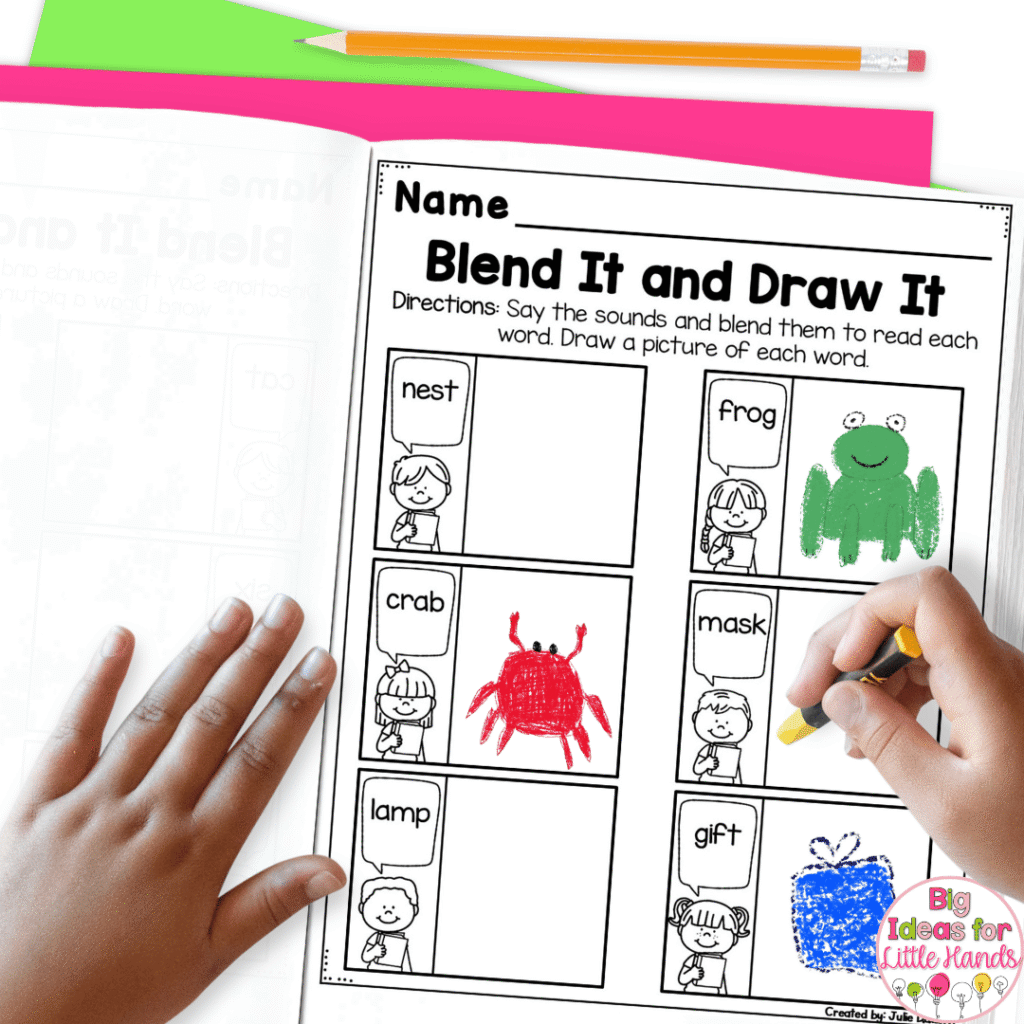
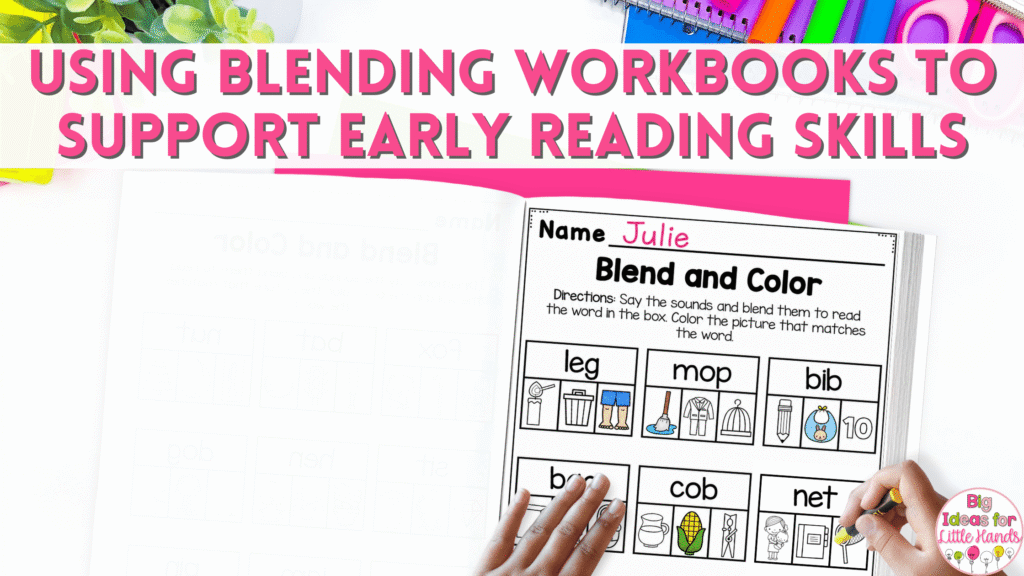
The activities focus on helping students blend sounds and read words confidently through matching, coloring, circling, and drawing tasks. Students practice reading CVC words, short vowel words, blends, and digraphs while working through activities that feel manageable and predictable.
Because the pages are visually simple, students can focus their attention on the actual reading skill instead of trying to figure out what the worksheet is asking them to do. This workbook is especially helpful for students who need repeated practice and confidence-building opportunities.
I especially love using pages like these during morning work or literacy centers because they keep students engaged without requiring constant teacher support.
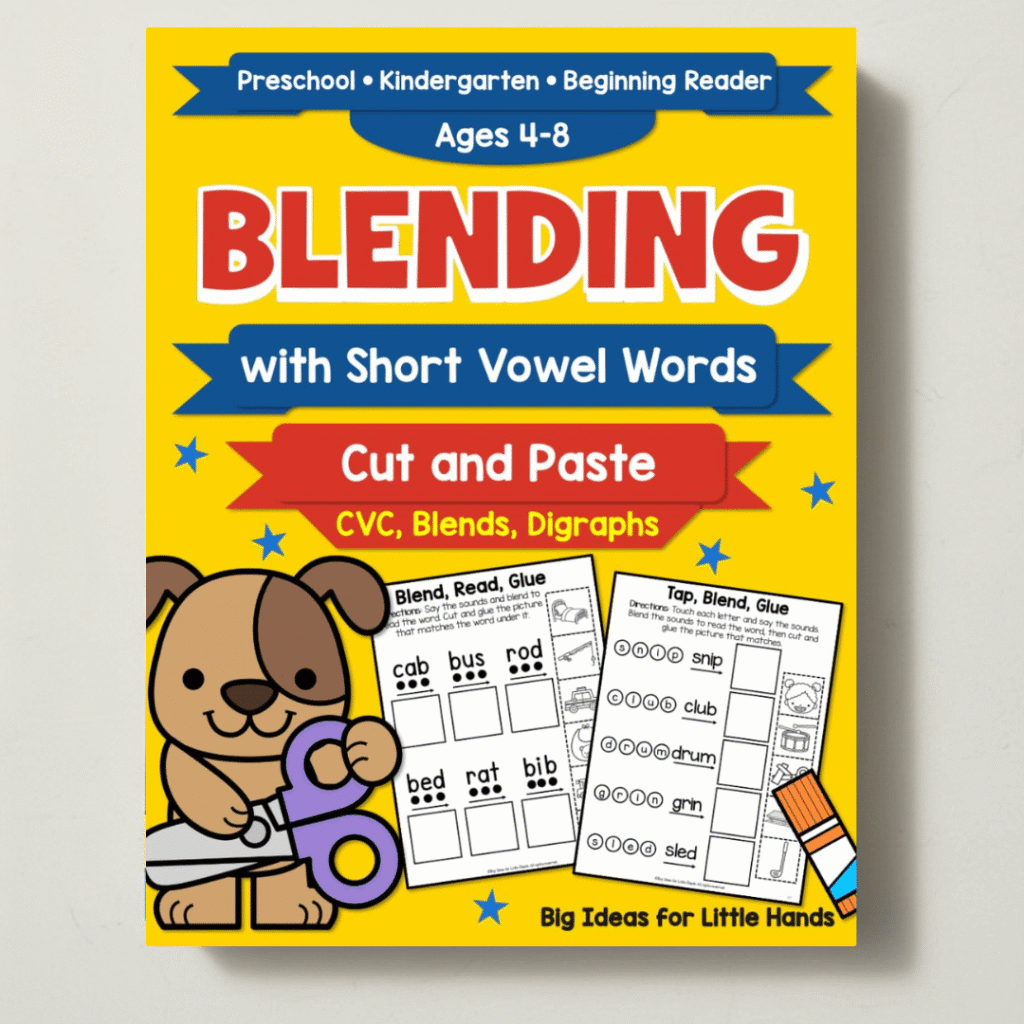
Cut & Paste Blending Workbook for Hands-On Learning
Other times, students simply need movement to stay focused and engaged during learning activities. If you have students who struggle with traditional phonics worksheets, hands-on blending practice can make a huge difference!
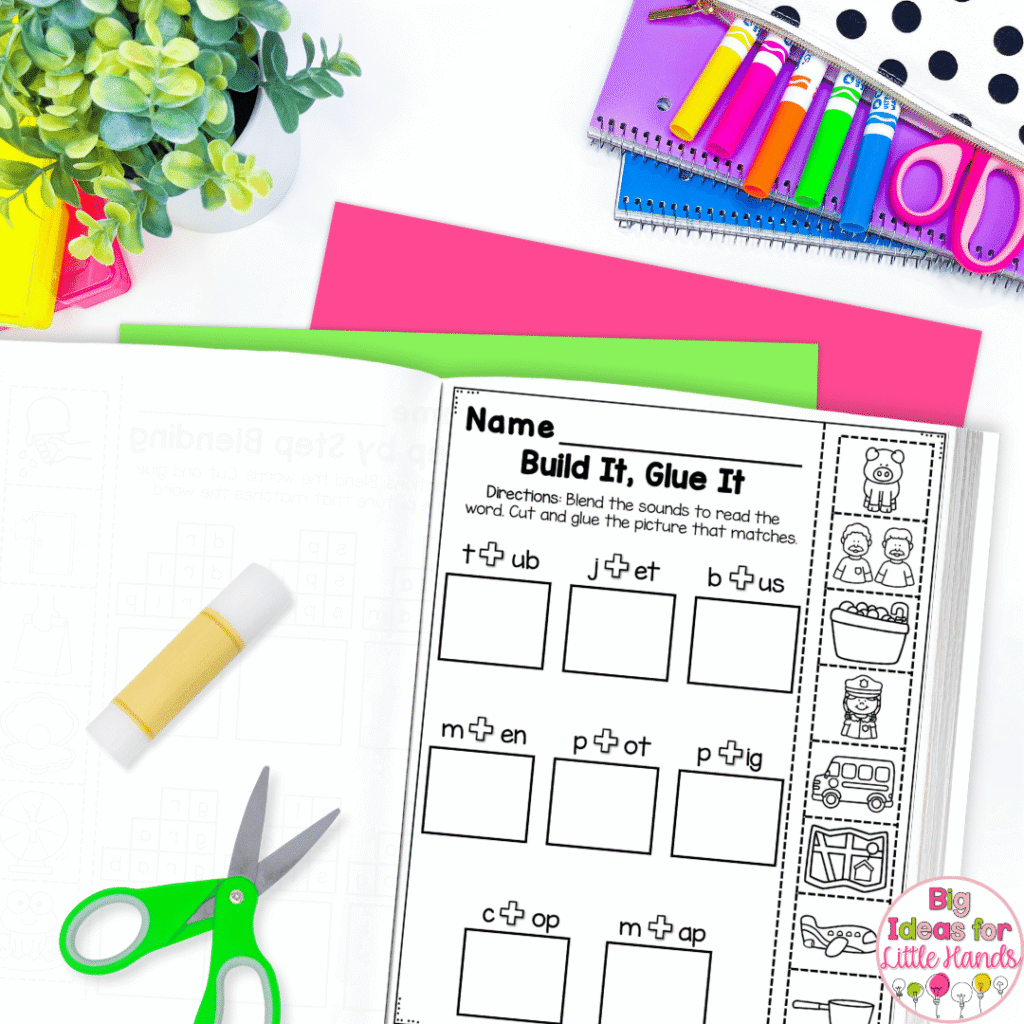
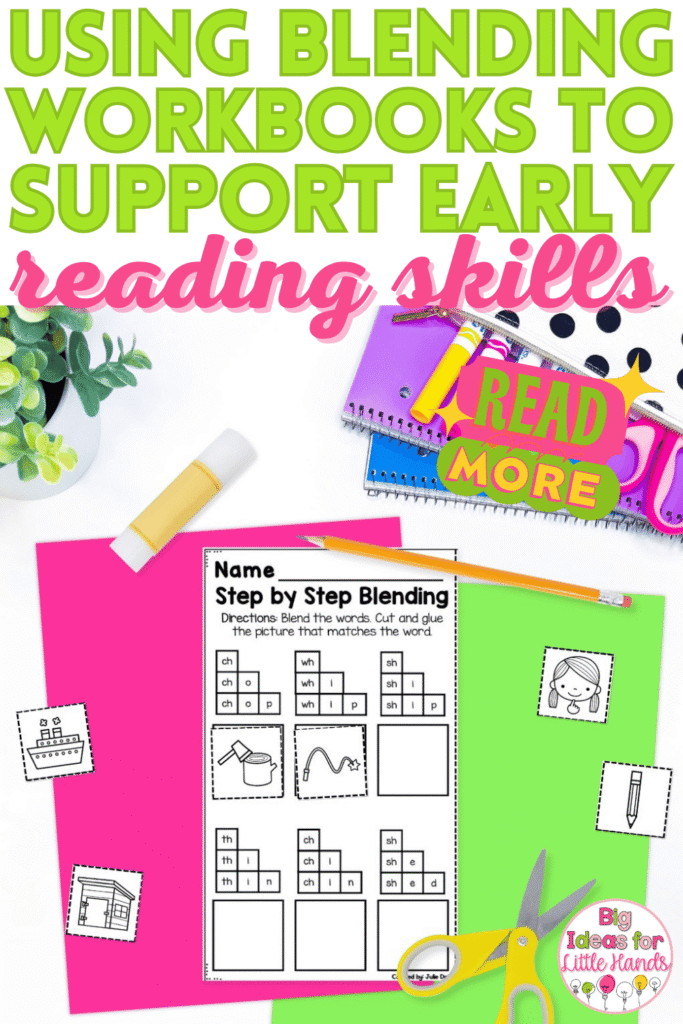
This Cut & Paste Blending Workbook gives students an interactive way to practice sounding out words while keeping their hands busy at the same time. Students cut, sort, match, and glue while working on blending CVC words, reading short vowel words, and recognizing blends and digraphs.
The hands-on format helps students stay actively involved in the learning process instead of passively completing a worksheet. It is also a great way to work on fine motor skills while practicing phonics, which always feels like a win during a busy school day.
How to Use Both of These Blending Workbooks
The fantastic thing about both of these workbooks is how versatile they are. Whether you’re a classroom teacher, a homeschool parent, a tutor, or a parent looking for some extra practice, this will work for you! The key is to explain and model each new activity before sending kiddos off to do their own pages.
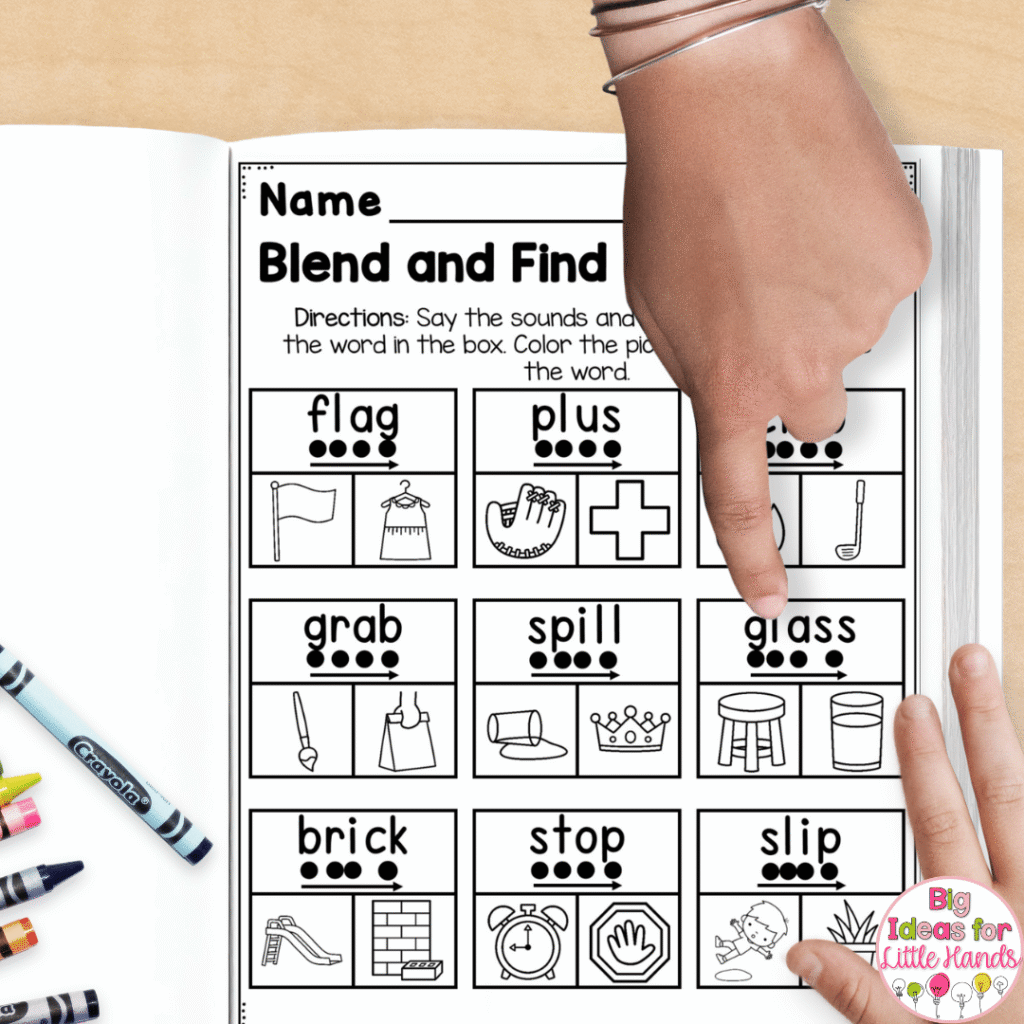
For example, you might model an activity by saying: “Let’s sound out this word together. What word do we hear when we blend those sounds?” Asking questions like this is a great way to model to your student (or child) how to use the pages. Once you’ve completed some guided practice, they can jump into independent work or continue to work together for extra support.
Use this approach for both books and keep in mind that while the format is different, the modeling should stay the same!
Both of these workbooks function especially well during classroom small groups, intervention groups, tutoring sessions, homeschool lessons, or independent literacy centers because it is easy to adjust the level of support students need.
Bringing Blending Practice Into Your Daily Routine
Blending does not have to take up a huge portion of your literacy block to be effective. In fact, short and consistent practice is usually what helps students grow the most.
That might look like completing one workbook page during morning work, using a few pages during small group instruction, or adding blending activities to your literacy centers throughout the week.
The goal is simply to give students repeated opportunities to hear sounds, blend words, and build confidence little by little. Over time, those small moments really do add up!
Ready to Make Blending Practice Easier?
Blending takes time, but the right kind of practice makes a big difference.
If your students need structured, independent practice to build confidence, the No-Prep Blending Workbook is a great place to start. If your group needs more movement and hands-on engagement to stay focused, try the Cut & Paste Blending Workbook instead.
Both options make it easier to fit blending practice into your daily routine without extra prep or stress. Head to Amazon to grab your copy, and use these blending workbooks during your next phonics block for blending success!
Looking for More Early Reading Activities?
Be sure to check out these posts next for more phonics and literacy ideas:
- Sentence Writing Workbooks Make Building Early Writing Skills Simple
- Phonics Word Searches That Make Learning to Read Fun and Easy
- Rhyming Workbooks Make Early Reading Skills Fun and Easy to Build
Save This Post
Make sure to pin this post on Pinterest so you can easily come back to these blending workbooks later!